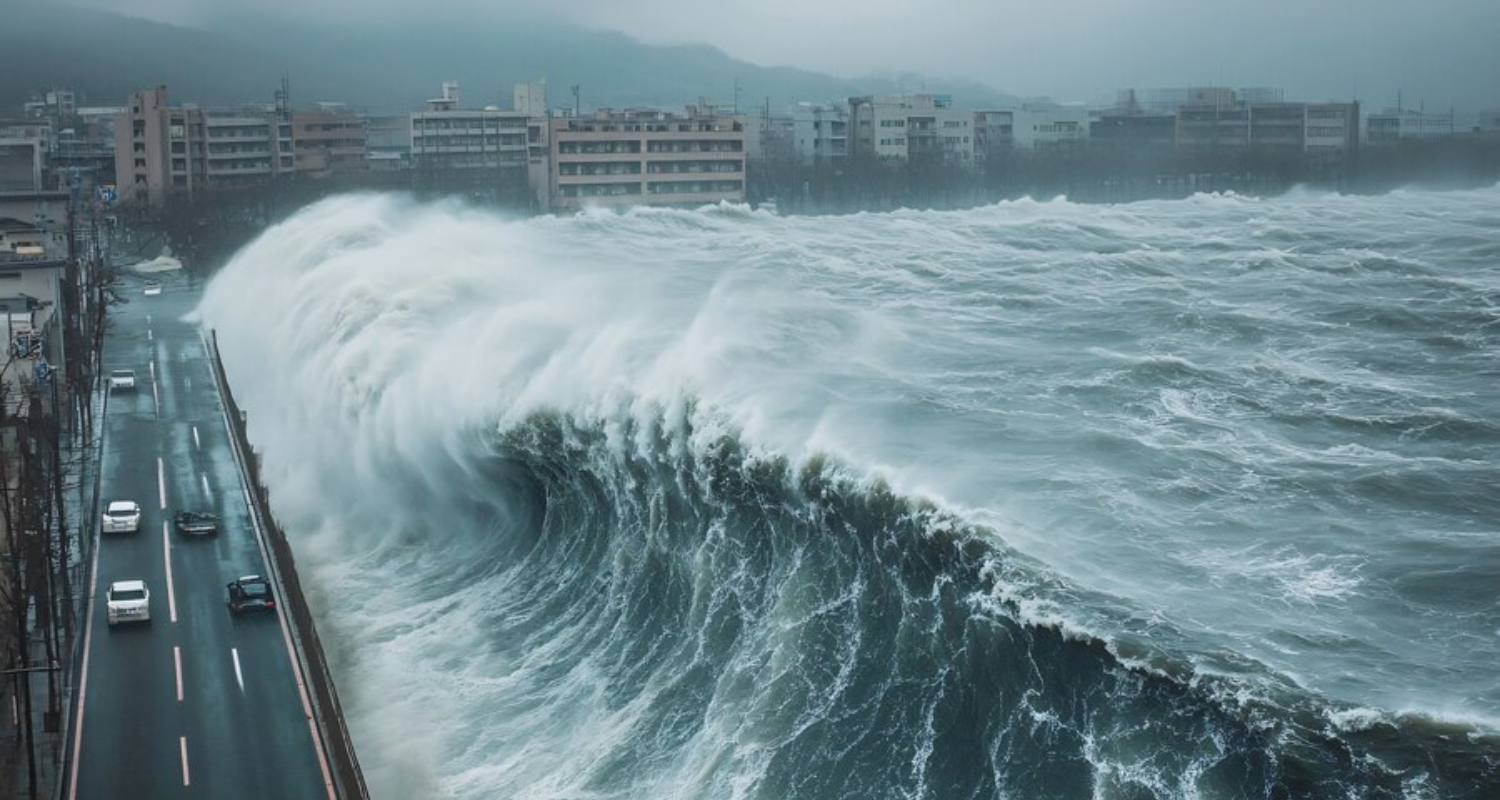

Let’s explore how Japan is harnessing technology to safeguard lives and mitigate disaster damage.
Japan has faced a range of natural and man-made disasters over the decades. However, the nation’s collective aspiration to overcome challenges is evident in its commitment to combining innovation with community cooperation to address these issues. Building on lessons learned from past disasters, Japan has integrated cutting-edge technologies into its disaster management strategies. This article explores how the country leverages these innovations to effectively navigate the complexities of disaster response and recovery.
1. AI-powered drones

Image from Freepik
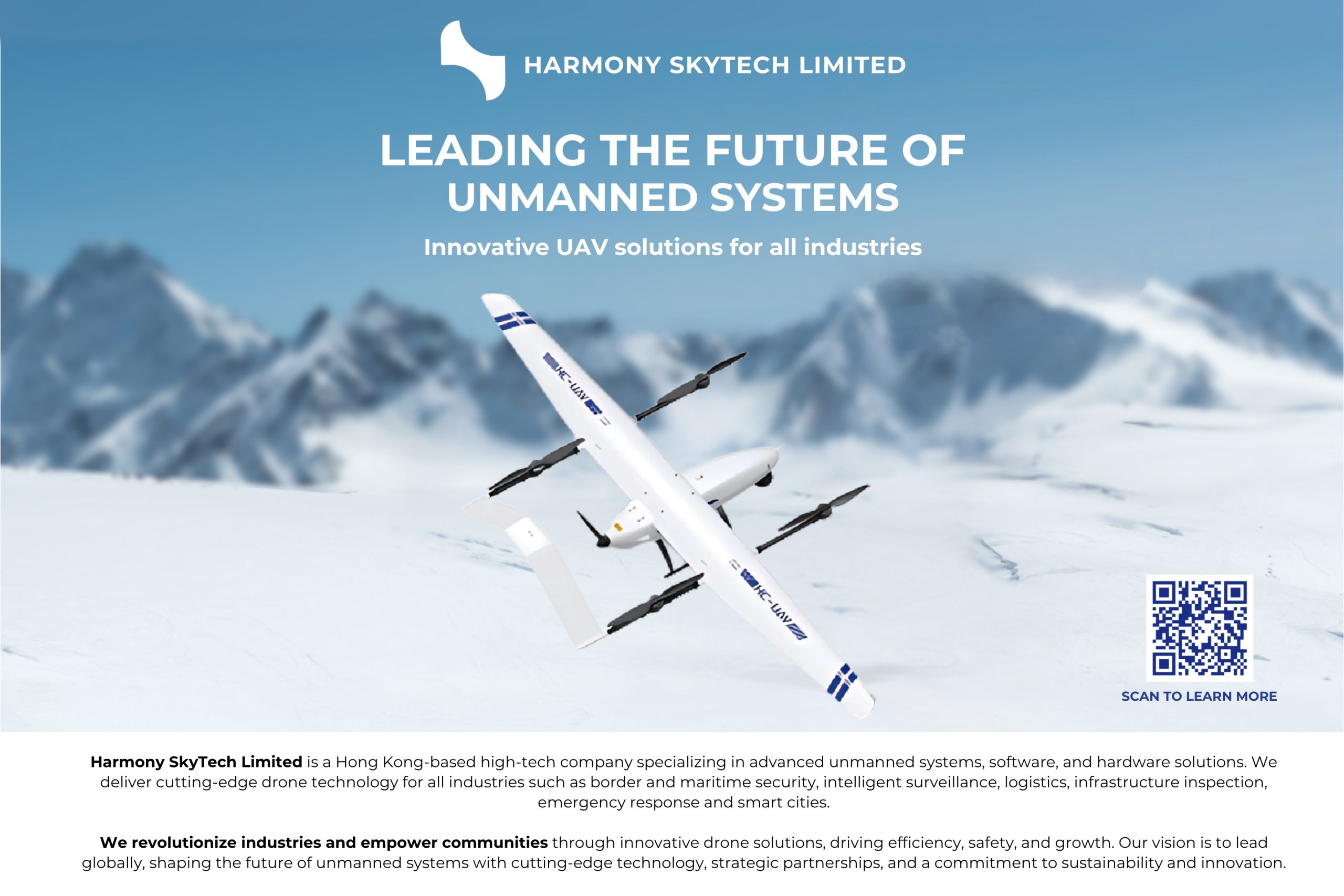
Japan effectively harnesses the mobility and versatility of drones across various stages of disaster management, ranging from evacuation efforts to post-disaster relief and recovery operations. Learning from the tragic loss of lives during the Great East Japan Earthquake, on March 11, 2011, the country implemented drone technology to deliver evacuation commands. Equipped with Long-Term Evolution (LTE) communication, these drones can automatically provide instructions through speakers, eliminating the need for manual operation.
Drones also play a crucial role in post-relief by transporting essential supplies like medical aid and fuel to remote or isolated areas. For instance, after the Noto Peninsula Earthquake on January 1, 2024, a drone successfully delivered necessities to an evacuation center in Wajima, which was cut off by landslides. These shock-resistant drones, measuring 20 cm on each side, function independently without requiring direct human control and are launched from designated ports along the riverbanks in Wajima.
Finally, drones also excel in mapping and monitoring affected areas. Their remote sensing capabilities allow rescue teams to create detailed 2D and 3D representations of disaster sites, providing critical insights into damage severity. Compact and agile, drones can identify and access locations that may compromise the safety of rescue teams, such as areas with debris or flooded homes. Additionally, law enforcement also use drones to monitor evacuated zones, preventing theft—further showcasing their expanding role in disaster response
2. Earthquake-resistant houses

Image from Freepik
Japan is known for its earthquake-resistant buildings, which are designed to withstand the shaking caused by earthquakes. To minimize damage, engineers use a method called base isolation, where thick rubber blocks are used to absorb shocks. Therefore, when an earthquake strikes, instead of the entire building shaking violently, the base absorbs most of the movement—allowing the structure above to remain steady. This prevents walls from cracking and reduces the risk of collapse.
Another important technology used in earthquake-resistant buildings is the swing mass damper, which acts like a counterweight to control how much a building sways. This system typically involves a giant metal ball or a heavy block placed high inside the building or on its roof. When an earthquake causes the building to tilt one way, the mass damper moves in the opposite direction. This movement helps stabilize the structure, reducing extreme swaying and preventing damage to structural components and interiors, such as broken windows or toppled furniture.
Thanks to these advanced technologies, Japan has greatly improved the resilience of its buildings, keeping people safe and reducing damage.
3. Japanese apps for disaster prediction and evacuation

Image from Freepik
Japan has developed a range of innovative apps to enhance disaster preparedness and management, catering to both locals and tourists. One prominent example is the Yurekuru app, which uses data from Japan’s Meteorological Agency to warn users about upcoming earthquakes, providing critical information such as their location and intensity.
Complementing this, the NERV Disaster Prevention app offers comprehensive information on earthquakes, tsunamis and rainstorms. A feature of this app is its ability to let users register their own location, as well as those of family or loved ones, to receive personalized warnings if any of the registered locations are at risk.
For tourists, the JTA Warning App, initiated by the Japan Tourism Agency, provides essential alerts about earthquakes and tsunamis tailored to visitors. Notably, it supports multiple languages, including English, Chinese and Korean, making it accessible to international travelers. It also offers practical evacuation tips, such as advising users to move away from coastal areas during a tsunami alert, and also includes a collection of useful Japanese phrases to seek assistance from locals during emergencies, bridging potential communication gaps.
Together, these apps create a more robust safety network, ensuring that everyone in Japan can stay informed and prepared during disasters.
4. AR/VR used in disaster training

Image from Getty Images
Japan is harnessing augmented reality (AR) and virtual reality (VR) to enhance disaster preparedness among its citizens. By simulating disaster scenarios, these technologies help individuals practice their responses, build confidence and learn how to make decisions effectively under pressure.
The Tokyo-based organization AR Bosei (ARB) conducts AR/VR workshops and disaster management drills in schools and local communities. These immersive experiences allow participants to visualize real disaster situations, fostering the development of personalized rescue plans for actual emergencies. This innovative approach empowers citizens to take proactive steps and be better prepared when faced with crises.
Wrapping up
Japan’s disaster resilience is a testament to the power of innovation and its ability to save lives. Advanced technology—AI-powered drones, earthquake-resistant buildings, disaster prediction apps and AR/VR training—has revolutionized disaster preparedness and response, helping to minimize damage and protect communities. While technology alone cannot address every challenge, it works hand in hand with community-driven efforts, such as NGO-supported children’s halls, community centers and facilities for the elderly, to create a comprehensive safety net. This synergy between innovation and community support keeps Japan at the forefront of disaster management. As climate threats grow, Japan’s success demonstrates that investing in cutting-edge solutions, alongside strong community networks, is the key to building a resilient future.
Also read:
- How 21st Century Tech Is Saving More Lives in Natural Disasters
- Rebuildee: The Crowdfunding Platform for Disaster Victims and Their Communities
- When Asteroids Approach Earth, These Space Technologies Could Possibly Save Us
Header Image from Freepik