
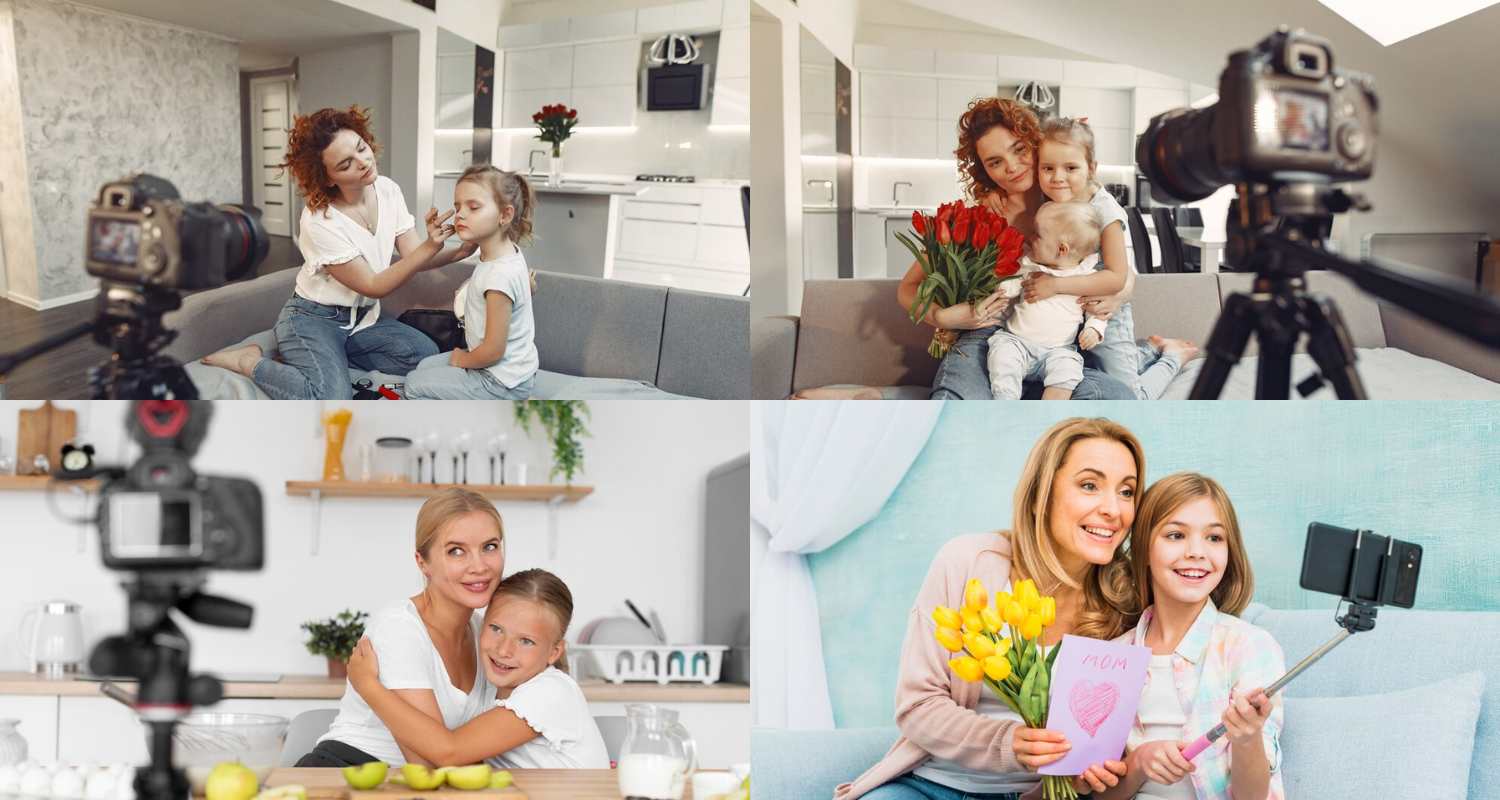

Momfluencers aim to inspire and influence—but they also intimidate today’s moms.
Being a mom isn’t easy. It’s often an exhausting juggling act between childcare, career and running a household. When midnight meltdowns strike, social media often becomes a lifeline for moms looking for advice, inspiration or just a little reassurance. Enter the world of mom influencers—or as they’re fondly called, momfluencers.
These momfluencers make motherhood look magical. Their homes are picture-perfect, their kids eat all their veggies without a fuss and even the most stubborn stains seem to vanish with a simple hack. It’s no surprise that millions of moms follow them, hoping to sprinkle some of that magic into their own lives. But as much as momfluencers inspire, they also stir up controversy, accused of setting impossible standards and sometimes even exploiting their families for profit.
Let’s take a closer look at the good, the bad and the ugly sides of momfluencers and what it all means for modern motherhood.
Who are momfluencers?
According to Sara Petersen, the author of Momfluenced: Inside the Maddening, Picture-Perfect World of Mommy Influencer Culture, momfluencers are individuals who turn their everyday experiences of motherhood into social media content and monetize it. They share curated glimpses of their lives, turning parenting into a profession.
While the concept isn’t entirely new—its roots trace back to the mommy bloggers of the early 2000s—momfluencers have evolved with the times. Platforms like Instagram and TikTok have turned them into creators who offer polished visual content, sharing everything from parenting hacks to deeply personal stories.
Their influence extends far beyond relatable content. As trusted voices in the parenting community, momfluencers shape perceptions of motherhood while driving consumer behavior. Brands flock to them to promote products, knowing moms are key decision-makers for household purchases. Sponsored posts, affiliate links and partnerships turn these influencers into powerful marketing tools.
The good: Building community and easing decision fatigue
At times, motherhood can feel lonely. Your spouse and family can only help so much, and sometimes you just need to connect with someone who gets it. Momfluencers, in this instance, offer just that.
They create online spaces where moms bond over shared struggles, celebrate milestones and exchange advice. From prenatal care to postpartum challenges, these influencers provide advice and support network through relatable content. Followers find solace in these shared experiences and advice, feeling a sense of belonging in an otherwise isolating journey.
In interviews for her book, Petersen found that momfluencers often share their stories to reassure others they’re not alone. One influencer summed it up perfectly: “No matter how challenging or rare an experience, chances are there’s someone else who can relate, who can empathize, the awareness of whose very existence provides comfort.”
Beyond emotional support, momfluencers also make life easier. Moms often turn to them for recommendations on everything from baby gear to self-care products. A 2023 Forbes article revealed women make 83% of household purchasing decisions in the U.S.. They don’t buy just for themselves but also for their children, spouses and other family members across product categories, including healthcare, food and clothing. That’s a lot of research and responsibility—something momfluencers can help lighten by testing products and sharing reviews, saving busy moms from endless research.
The bad: Unrealistic expectations and exploitation of children
As inspiring as they can be, momfluencers have a dark side. One of the biggest criticisms is their tendency to portray motherhood as effortlessly perfect. Their homes are always squeaky-clean, their kids pick up after themselves without being asked and they always look so put together with flawless hair and makeup.
Real life, of course, doesn’t look like that. Momfluencer content often glosses over the chaos and challenges of parenting. This curated version of motherhood can leave followers feeling inadequate as they compare their own messy realities to these idealized portrayals. Studies back this up: a survey by the University of Nebraska-Lincoln found that glamorized depictions of motherhood on social media increased anxiety and envy among new moms. Similarly, a 2023 study by OnePoll and Intimina revealed that 77% of moms felt pressured by social media to appear and act a certain way, with one-third feeling like “bad mothers” in comparison.
The ethical concerns, however, go even deeper. Featuring kids in posts raises ethical concerns about privacy and the potential risks of online predation. These kids don’t have a say in being displayed to potentially millions of strangers, nor do they control the income their presence generates. This commercialization of family life—where every moment becomes a branding opportunity—blurs the line between genuine parenting and performance. When every moment is potentially a monetized “content opportunity”, it can be difficult for both the audience and the children involved to distinguish authentic family interactions from staged ones.
Some children of early momfluencers have spoken out about the toll that social media fame took on their mental health and childhoods. To address these issues, advocates like former social media baby Cam Barrett are pushing for stronger privacy protections and legislation for children.
The ugly: Lack of authenticity and homogeneity
Another issue plaguing the momfluencer world is its lack of diversity. Critics argue that many popular momfluencers often portray a narrow, white, middle-class version of motherhood, sidelining voices from different cultures and backgrounds. This exclusivity perpetuates stereotypes about what makes a “good mother” and alienates those who don’t fit the mold.
People also question the authenticity of momfluencer content. Some momfluencers are accused of “content-manufacturing”, curating relatable instances to fit a narrative or appeal to sponsors rather than sharing genuine moments. This can make followers feel manipulated by polished, staged images that don’t reflect real life.
Final thoughts
Momfluencers are a mixed bag. They’ve created supportive communities and made parenting more accessible, but their glossy portrayals and commercialization come with significant drawbacks.
As consumers, it’s important to view their content critically. What we see on social media is just a slice of the bigger picture. Motherhood is messy, unique and deeply personal—there’s no one-size-fits-all guide to getting it right.
So, let’s enjoy momfluencer content for what it is: inspiration, entertainment and sometimes, helpful advice. But let’s also remember to cut ourselves some slack and embrace our own, imperfect version of parenthood. After all, the best parenting style is the one that works for you.
Also read:
Top 4 Work Influencers to Follow for Workplace Tips and Tricks
From Collaborating to Owning: Is the Next Step for Influencers Entrepreneurship?
Leading with Pride: 5 Queer Influencers You Need to Follow Now
Header Image from Freepik


