

Why the Most Disruptive Startups of the Next Decade May Not Have a UI
For more than fifteen years, the dominant model of digital innovation has been the mobile app. Startups built icons, users downloaded them, and entire businesses were designed around screens. But a new shift is underway. As artificial intelligence agents, voice interfaces, and ambient computing mature, many emerging startups are beginning to build products that users never open or even see. In the coming decade, the most disruptive companies may not design beautiful interfaces at all—they may simply execute tasks on behalf of users.
From Apps to Agents: The End of Interaction-Driven Software
The app economy was built around interaction. Users opened an app, navigated menus, clicked buttons, and completed a task. Every company competed for attention on the same crowded smartphone screen. Over time, this created friction: dozens of apps, constant notifications, and endless switching between tools.
AI agents change that model entirely. Instead of interacting with software, users delegate tasks to it. A single command—“Book me the cheapest flight tomorrow morning”—can trigger an AI agent to compare services, choose the best option, and complete the booking automatically.
This shift turns software from a place you go to into a service that comes to you. Agents can negotiate, compare, and execute tasks across multiple platforms, eliminating the need to open individual apps.
The difference is profound:
- Apps are built for interaction
- Agents are built for delegation
In the post-app economy, the user interface becomes optional.
Voice, Conversation, and the Rise of Invisible Interfaces
One of the key forces driving the post-app world is the rise of natural interfaces—especially voice. Instead of learning software, users simply speak or type requests in everyday language.
Voice-enabled devices already number in the billions worldwide, and conversational AI is growing rapidly as companies realize that voice removes friction from digital interactions.
The reason is simple: voice requires almost no learning curve. People do not need tutorials to speak. When computers can understand natural language, the traditional graphical interface becomes unnecessary.
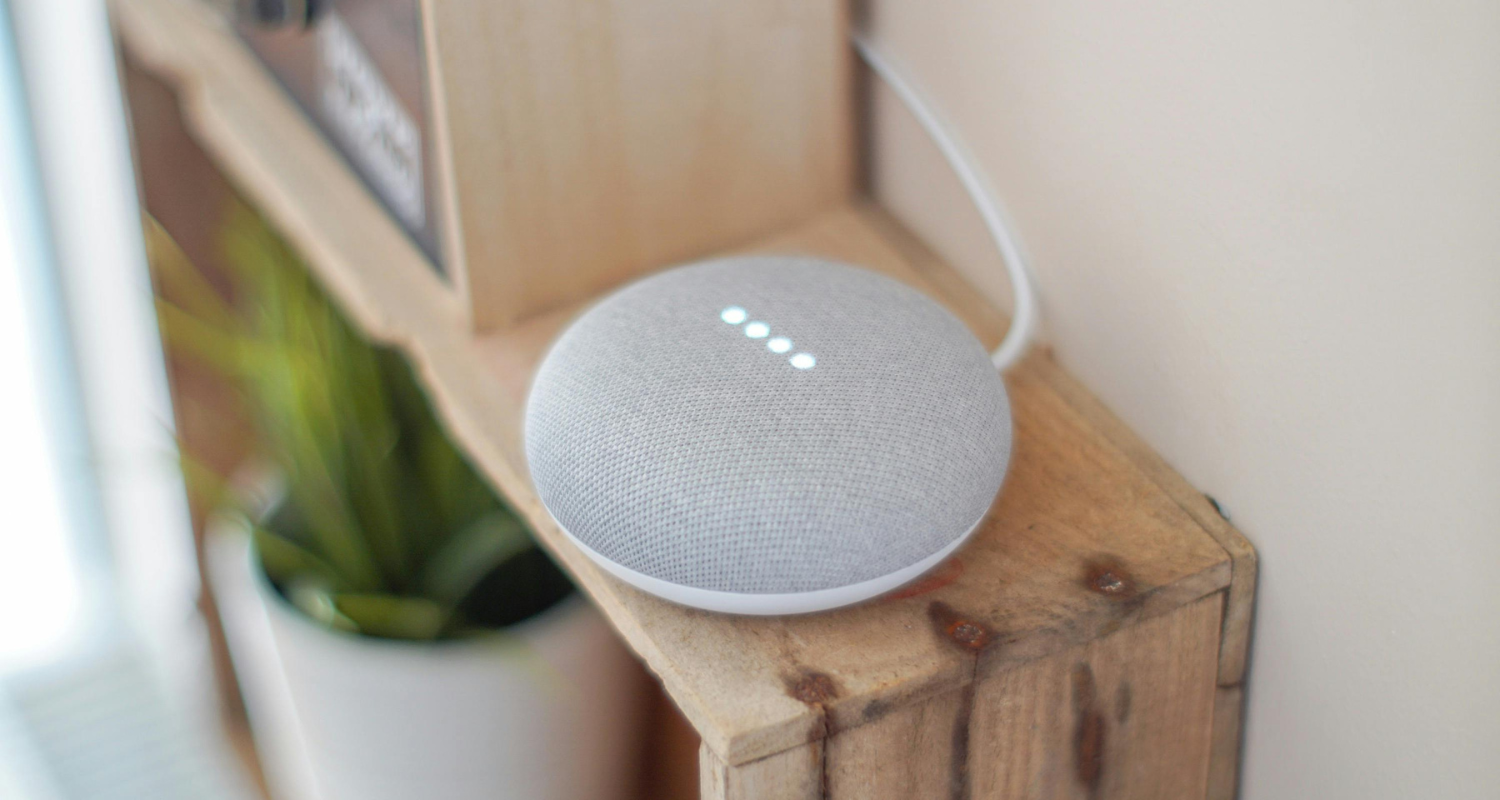
This shift leads to what technologists call “ambient computing.” Software fades into the background while devices such as earbuds, cars, smart homes, and wearable displays become access points to AI systems. In this environment, the interface is not an app—it is the environment itself.
The result is software that feels less like using a tool and more like interacting with an intelligent assistant.
APIs Replace Interfaces
In the traditional app economy, companies invested heavily in front-end design. Every startup competed to create the most intuitive UI and the most engaging visual experience.
But in a world of AI agents, the most important layer is no longer the interface—it is the infrastructure behind it.
Agents interact directly with services through APIs (application programming interfaces). Instead of navigating an app manually, the agent communicates with backend systems to complete tasks automatically.
Startups Without Interfaces
If apps disappear from the center of digital life, where will startups innovate?
The post-app economy opens entirely new categories of companies that focus on capabilities rather than interfaces.
1. Vertical AI Agents
These startups build specialized agents for specific industries such as healthcare, logistics, legal services, or finance. Instead of offering dashboards, they automate entire workflows.
2. Agent Infrastructure
As AI agents become more powerful, they require tools for orchestration, safety, memory, and task planning. Startups building the “operating system for agents” may become foundational infrastructure providers.
3. Automation Platforms
Some companies will build platforms that allow businesses to deploy autonomous agents for sales, customer support, compliance, and operations.
4. Ambient AI Services
Startups may build services that integrate directly into everyday environments—phones, vehicles, homes, and wearables—without requiring downloads or accounts.
In each case, the product is not a visual interface but an automated capability.
The Strategic Implications for the Startup Ecosystem
The move toward a post-app economy could reshape the startup ecosystem in several important ways.
First, distribution may shift away from app stores.
If users interact primarily with AI assistants, the assistant becomes the gatekeeper of digital services.
Second, brand visibility may decline.
When an AI agent chooses services on behalf of the user, companies risk becoming invisible infrastructure providers rather than consumer brands.
Third, monetization models will change.
Instead of paying for access to software, users may pay for outcomes—such as successfully completing a task or achieving a goal.
Finally, product design itself will evolve. In the app era, startups obsessed over UI and UX. In the post-app era, success may depend more on data quality, automation reliability, and API accessibility.
The best startup may not be the one with the most beautiful interface—but the one whose systems quietly perform tasks better than anyone else.
The Quiet Revolution Ahead
The disappearance of apps will not happen overnight. Just as websites did not vanish when mobile apps arrived, traditional apps will coexist with AI agents for years.
But the direction of innovation is becoming clear.
Software is moving away from screens and toward intent-driven computing, where users simply express what they want and intelligent systems handle the rest. Instead of navigating digital tools, people will increasingly rely on autonomous agents that plan, decide, and act on their behalf.
When that happens, the most powerful startups of the next decade may not be the ones with the best design.
They may be the ones you never see at all.


