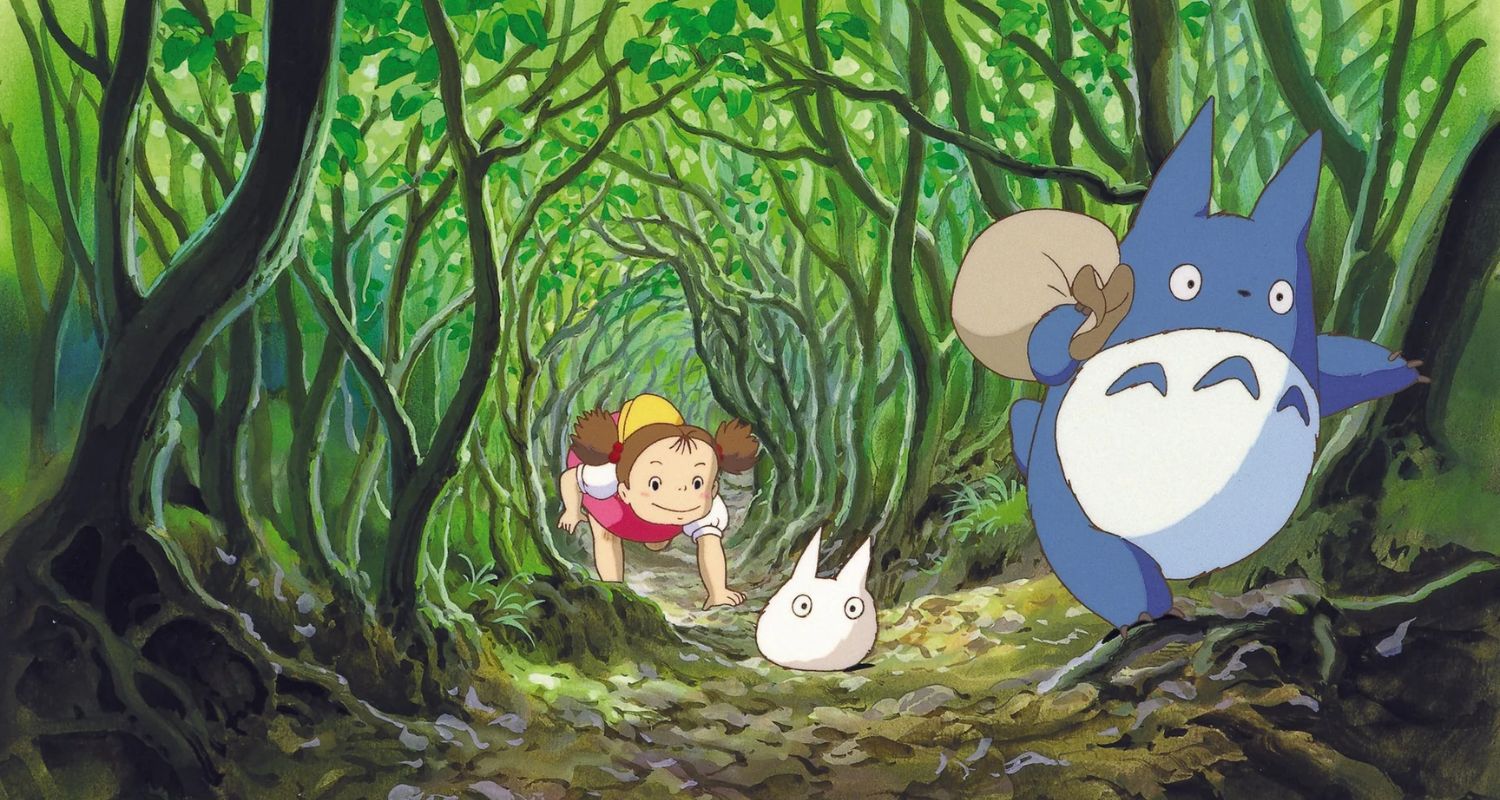

The internet loves the Ghibli filter, period. But is AI art crossing ethical lines?
If you’ve recently scrolled through social media, chances are you’ve seen everyday photos magically transformed into whimsical illustrations reminiscent of Studio Ghibli films. This viral trend, known as the “Ghibli filter”, has not only taken platforms by storm but also sparked a broader conversation about art, technology and creativity.
But why exactly is the “Ghibli filter” resonating so deeply, and what does it mean for the future of animation and digital artistry? Let’s explore.
Studio Ghibli: The legacy of handcrafted animation
Studio Ghibli, co-founded by legendary animator Hayao Miyazaki, is renowned for its dedication to handcrafted animation. Unlike many modern animation studios that embrace computer-generated imagery (CGI), Ghibli has consistently favored traditional, hand-drawn animation techniques. This commitment is evident in Miyazaki’s iconic films like Spirited Away and My Neighbor Totoro. His films feel warm, personal and alive—qualities largely attributed to the meticulous care put into every hand-drawn frame. Hence, it doesn’t come as a surprise that seven of their films rank among the 15 highest-grossing anime films ever made.
Miyazaki himself strongly disliked CGI, famously criticizing computer-generated animation. He believed digital imagery lacked the heart and soul found in traditional animation methods. Thus, while Ghibli has occasionally experimented with CGI, such as in Earwig and the Witch (2020), Miyazaki’s personal projects have consistently avoided CGI, preserving the studio’s distinctive hand-drawn aesthetic.
A striking example is found in the 2013 film The Wind Rises, where a mere four-second crowd scene took veteran animator Eiji Yamamori approximately 15 months to complete—entirely by hand. This painstaking process shows the lengths to which Studio Ghibli goes to ensure authenticity and artistic integrity.
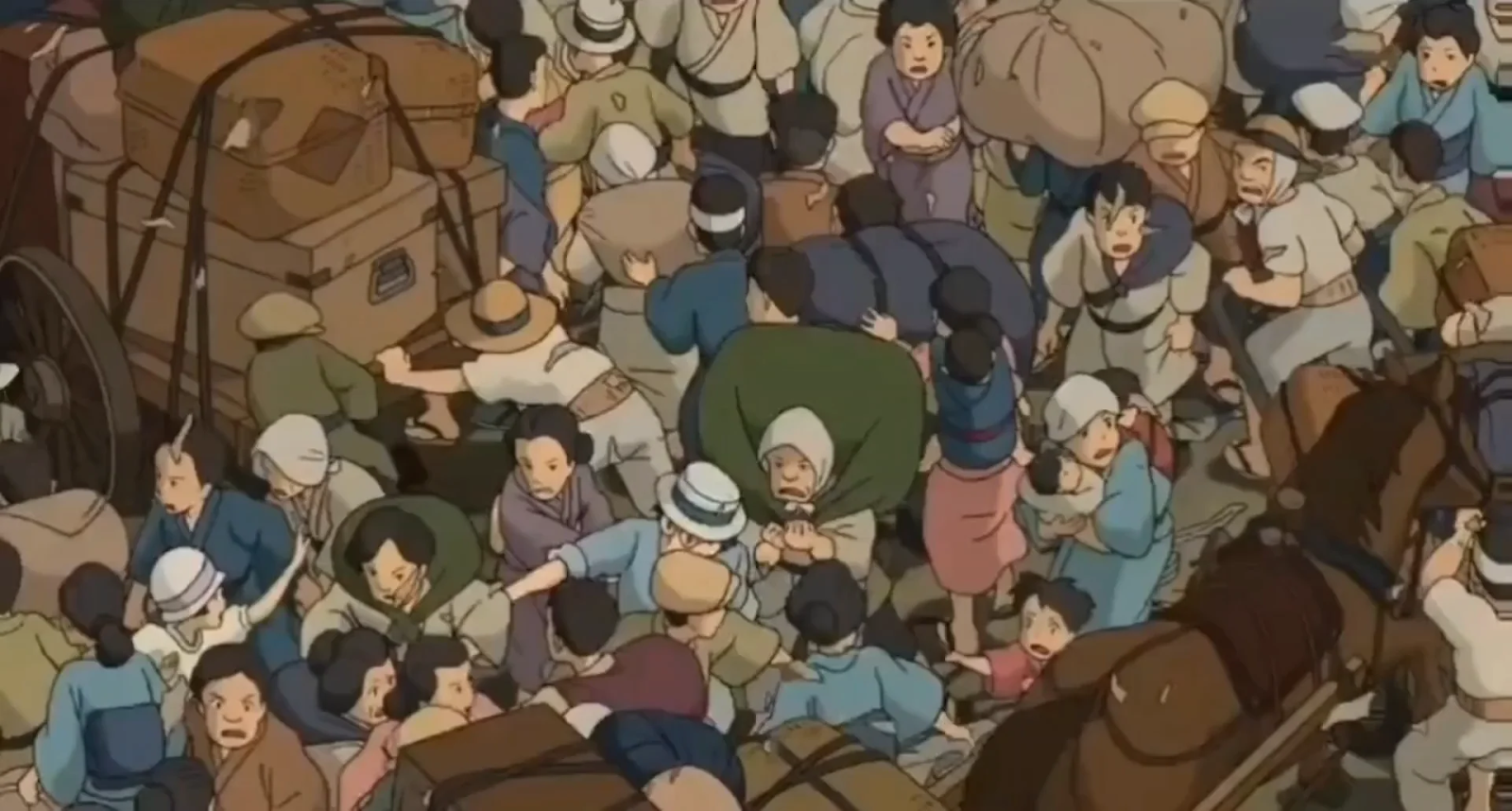
A still from Studio Ghibli’s 2013 film, “The Wind Rises”
Image by Studio Ghibli
Miyazaki’s disdain for digital animation extends to artificial intelligence (AI) as well. In a widely circulated clip from the 2016 documentary Never-Ending Man: Hayao Miyazaki, Miyazaki reacts with visible disgust to an AI-generated animation demonstration, describing it as “an insult to life itself”. His words underscore a fundamental belief: true art requires human experience, intention and empathy—qualities that he felt AI could never genuinely replicate
The rise of AI anime art filters
The recent Ghibli filter craze is part of a larger trend of AI-powered anime filters going viral on social media over the past few years. One notable example is Meitu, a Chinese photo-editing app that introduced an AI anime avatar feature. It became a global viral hit in late 2022 and 2023, rocketing the app up the download charts and hiking the company’s stock price by about 60%.
Besides Meitu, several other platforms have also leveraged AI anime filters successfully. Apps like Prisma popularized artistic “painting” filters as early as 2016, while platforms like TikTok, Snapchat and Instagram often feature anime face filters that consistently go viral.
This trend intensified significantly with OpenAI’s recent launch of the GPT-4o image generation. GPT-4o was trained on extensive datasets, including anime-style artwork, enabling it to produce convincing images on command.
Specifically, the Ghibli AI filter produces images highly reminiscent of Studio Ghibli’s style, complete with soft watercolor palettes, nostalgic backgrounds and charming character designs. Although these generated images aren’t perfect replicas, their high quality and appealing aesthetic have fueled their immense popularity on social media platforms like X (formerly Twitter).
To further demonstrate how viral the Ghibli filter is: it has brought a massive number of new users to ChatGPT, along with its usage hitting a record high.
Democratizing creativity through AI art
One undeniable benefit of AI art tools is their democratization of creative expression. Prior to these innovations, creating professional-quality visual art required extensive skill, training and resources. Now, AI art tools empower anyone with internet access to express themselves visually in styles once reserved for professional artists.
Platforms like GPT-4o and Meitu have effectively flattened traditional creative hierarchies. People who never considered themselves artists are now confidently participating in visual storytelling. Social media platforms have a big role to play in the process as well—they enable anyone’s creations to gain widespread visibility and appreciation, significantly reshaping the artistic landscape.
Ethical controversies surrounding AI-generated art
Yet, not everyone is thrilled about AI-generated art. A primary ethical concern involves how these AI models are trained. Typically, AI systems learn by analyzing vast datasets of images scraped from the internet—often without the consent of original creators. This has triggered substantial legal backlash, such as Getty Images suing Stability AI (the creator of Stable Diffusion) in 2023 for allegedly using millions of copyrighted images without permission.
In addition to Getty’s case, artists themselves have filed class-action lawsuits (e.g., artists Andersen, McKernan and Ortiz vs. Stability AI, DeviantArt and Midjourney) on similar grounds—that their copyrighted illustrations were scraped and used to train AI models without consent or compensation.
Another concern of AI-generated art is the perpetuation of biases present in training data, which can unintentionally reinforce harmful stereotypes. Artists and critics alike argue that unchecked AI development threatens not just copyright integrity but the ethical standards and respect central to artistic expression.
Navigating the future of AI in art
As AI models continue to evolve and AI-generated art becomes more convincing, addressing ethical challenges becomes increasingly vital. Encouragingly, consumer research shows that people are willing to pay more for AI art that compensates original artists fairly.
Moreover, initiatives like Adobe’s Firefly platform emphasize responsible AI development and transparency. Newer platforms, such as Ascendant Art, are implementing royalty models to ensure artists are compensated whenever their work informs AI-generated pieces. For instance, its compensation model disburses about 25% of net profits from avatar sales back to contributing artists.
Furthermore, Spawning AI provides creators with tools to monitor and control how their works are used in AI training datasets. This can help promote greater transparency and respect for intellectual property.
Educators also play a crucial role in this evolving landscape. The National Art Education Association (NAEA) advocates for balanced AI use in education, emphasizing ethical usage and respect for traditional artistic skills. Educators can help foster critical awareness and responsible creativity by teaching students about the broader implications of AI-generated art.
Conclusion: Balancing innovation with artistic integrity
In short, the Ghibli filter phenomenon has sparked crucial conversations about the intersection of technology, creativity and ethics. Without a doubt, AI-generated art holds immense potential for democratizing creative expression. However, it also challenges core values surrounding artistic authenticity and intellectual property.
Studio Ghibli’s unwavering dedication to handcrafted animation, along with Miyazaki’s critiques, remind us of the enduring value of human creativity. Moving forward, it’s essential to balance innovation with ethical responsibility, ensuring AI serves as a complement—rather than a replacement—to human artistic expression. The future of art lies not in technology alone but in thoughtfully integrating the human touch with innovative tools.
Also read:
- How NFTS and Crypto Are Revolutionizing the Manga and Anime Industry
- How to Make Money with AI Art
- Discovering the Best AI Art Generators 2023
Header image by Studio Ghibli