
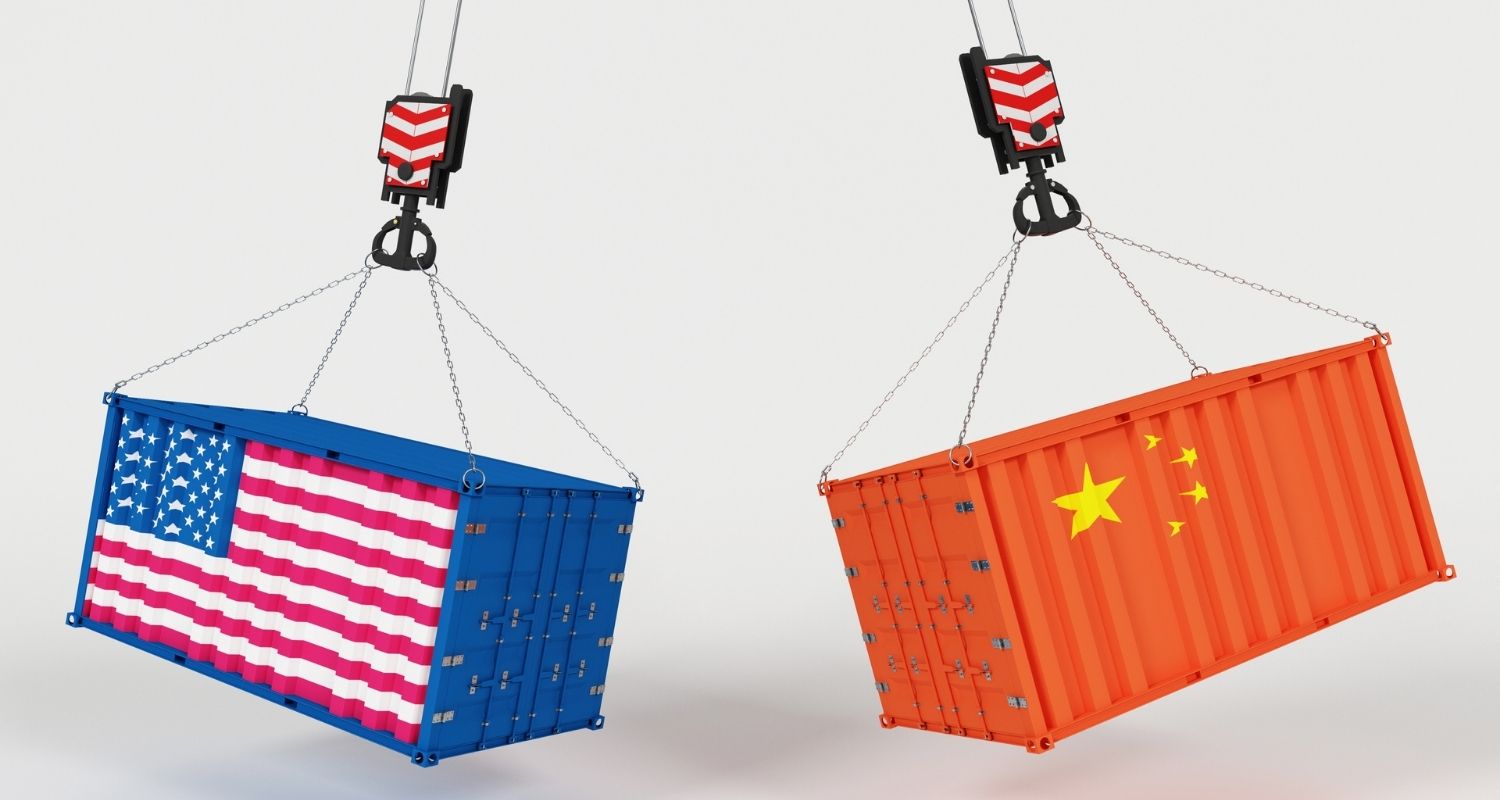

For startups, the headline is simple: landed costs are lower today than in April, but nowhere near 2017 levels—and volatility isn’t gone.
After a year of tit-for-tat duties and U.S. tariffs peaking at an unprecedented 145%, Washington and Beijing finally hit pause on May 12, 2025, dialing tariffs back from eye-watering highs. The cease-fire lasts 90 days and—if nothing derails it—expires August 12. The deal sliced tariffs from both sides to levels low enough to calm markets but still above pre‑war norms. In the meantime, a U.S. court ruling on May 28 questioned the president’s power to levy blanket duties, while the White House doubled Section 232 steel-and-aluminum tariffs for good measure.
Clearly, volatility is still the name of the game, and founders need a plan. In this article, let’s break down where the 2025 tariff war stands now, what’s still in force and how startups can survive—and even thrive—before the 90-day clock runs out.
From triple‑digit tariffs to a 10% baseline
How we got here in two minutes:
1. April 2-9, Tariff Liberation Week: A universal 10 % U.S. import tariff lands, then rockets to a China‑only 145 % after rapid-fire escalations. Beijing mirrors with 125 % levies.
2. May 12, Geneva truce: Facing empty‑shelf warnings from U.S. retailers and factory layoffs in Guangdong, both sides unwound 115 percentage points of their newest hikes. The negotiation resulted in a temporary 90-day truce and brought down the U.S. rate on Chinese goods to 30% and China’s rate on U.S. goods to 10%.
3. May 28, Court pushback: The U.S. Court of International Trade rules the across‑the‑board tariff unlawful; an appeals court stays the order, so the levies continue—for now.
4. Late May: Treasury Secretary Scott Bessent admitted talks are “a bit stalled” and may need Trump–Xi intervention. Meanwhile, Washington doubles Section 232 steel and aluminum duties, signaling the tariff toolkit is still within easy reach.
What remains in force during the 90‑Day window
Several key measures still shape cross‑border costs during the cease‑fire:
- 10% “universal” tariff: Every import into the U.S. still has to pay it—so even components sourced from, say, Mexico or Vietnam will inherit the levy. As economic historian Kris Mitchener told the Financial Times, “If a 10 per cent universal tariff is now the baseline … I don’t see them wanting to reverse it.”
- Section 301 legacy duties: Chinese‑origin goods continue to pay an average effective tariff of about 30%. Legacy Section 301 rounds, particularly on electronics and machinery, never disappeared; they simply stack atop the universal duty.
- Tech export controls: Stringent U.S. export controls on advanced chips and EV‑battery inputs remain in force, limiting what Chinese contract manufacturers can buy and nudging hardware startups to rethink board layouts or cell chemistry.
- Rare-earth knob: Beijing’s draft rare‑earth export restrictions are only suspended, not canceled. If talks sour, those curbs could return overnight, squeezing clean‑tech and aerospace supply chains that rely on Chinese magnets and alloys.
Economic impact of the tariff rollback
Consumer sentiment
The sharp tariff reduction from 145% to roughly 10% is good news for consumers. As per the Conference Board’s Consumer Confidence survey, consumer confidence increased by 12.3 points in May to 98.0, hinting shoppers may open their wallets again.
Retail margins
A jump from 145 % to 30 % duties doesn’t erase pain, but it does stop the bleeding. Big-box retailers, previously squeezed by rising costs, have started recovering their profit margins, which could mean fewer price hikes at stores.
Businesses remain cautious
Even with lower duties, no one’s calling this a victory lap. The Geneva truce, although promising, will last only 90 days. Startups and established companies alike remain wary. Many have adopted cautious strategies, stocking extra inventory, securing alternative suppliers or renegotiating contracts. Companies recognize that tariffs could quickly revert, disrupting supply chains once again.
Supply chains
While businesses welcome lower tariffs, they’re not simply reverting to old supply chains. Instead, many are shifting production to alternative countries like India, Vietnam and Indonesia. This approach is turning the “China-plus-one” diversification strategy into muscle memory, spreading production to other low-cost nations to minimize risk.
Startup opportunities amid trade disruptions
For entrepreneurs, every constraint hides an opening. Here’s where new ventures are gaining traction in the turmoil.
Supply-chain innovation
Startups in logistics and supply chain management have seen a surge in interest as companies aim for greater resilience. Real-time supply chain tracking, predictive analytics and diversified logistics services are hot areas for innovation.
Growth in regulatory technology (RegTech)
With tariff codes shifting weekly, automated compliance is no longer a nice‑to‑have. The ever-shifting status quo has created a compliance headache for companies, which created opportunities for RegTech startups offering automated tariff and trade compliance software.
Cybersecurity and risk management
Heightened geopolitical tensions mean higher cybersecurity risks. Startups providing cybersecurity and risk management solutions are experiencing increased demand, helping companies protect critical infrastructure from escalating threats. As per Crunchbase, the global VC funding for cybersecurity startups ticked up 29% to US$2.7 billion in Q1 2025, reversing a prior decline.
Three possible paths after August 12, 2025
With the status quo shifting constantly, all eyes now turn to what happens when the clock hits zero. Three outcomes now dominate board-room scenarios:
Deal‑lite extension—the cautious optimism scenario
Most sell‑side economists, including Goldman Sachs and JP Morgan, think Washington and Beijing will extend the cease‑fire and lock in the 10% baseline. In this case, both capitals declare victory, deeper issues are punted and startups gain cost predictability—albeit with permanently higher landed prices.
Snap‑back—the whiplash scenario
If talks collapse or negotiations stall, the White House might reinstate its April tariff stack, and China mirrors. Importers may once again face the 145 % U.S. duty and a 125 % Chinese counter‑duty; Washington’s metals surcharges sit on top. With the tariff war roaring back, it’s likely to see more emergency price hikes, margin triage and last‑minute supply‑chain moves.
Legal reset—the wild-card scenario
If the Federal Circuit affirms the Court of International Trade, the universal tariff could be struck down for good. That means U.S. Customs will suspend tariff collection, sending duties on most partners back toward pre-war levels, while Section 301 China duties stay in force. It is likely that Congress will scramble to craft a narrower tool, creating months of policy limbo.
Meanwhile, import costs will drop, supply‑chain congestion eases and some manufacturing drifts back to China—but the uncertainty keeps founders on edge.
Bottom line for startups: Plan for volatility to linger
Tariff war 2025 isn’t over—it’s idling. In this landscape, investing in robust supply chain solutions, regulatory compliance technologies and cybersecurity should be top priorities for founders. Moreover, startups should proactively diversify their markets and supply sources beyond the U.S.-China axis.
The current truce offers a strategic opportunity—a brief window for startups to strengthen their foundations and innovate. Use the pause to shore up supply‑chain redundancies, revisit pricing and build tariff clauses into new contracts. Whether August ends in relief or renewed hostilities, founders who are well-prepared today will sleep better when the 90‑day alarm goes off.
Also read:
- How to Future-Proof Your Business
- Supply Chain Intelligence
- Top 5 AI Cybersecurity Companies to Watch
Header Image from Unsplash


