
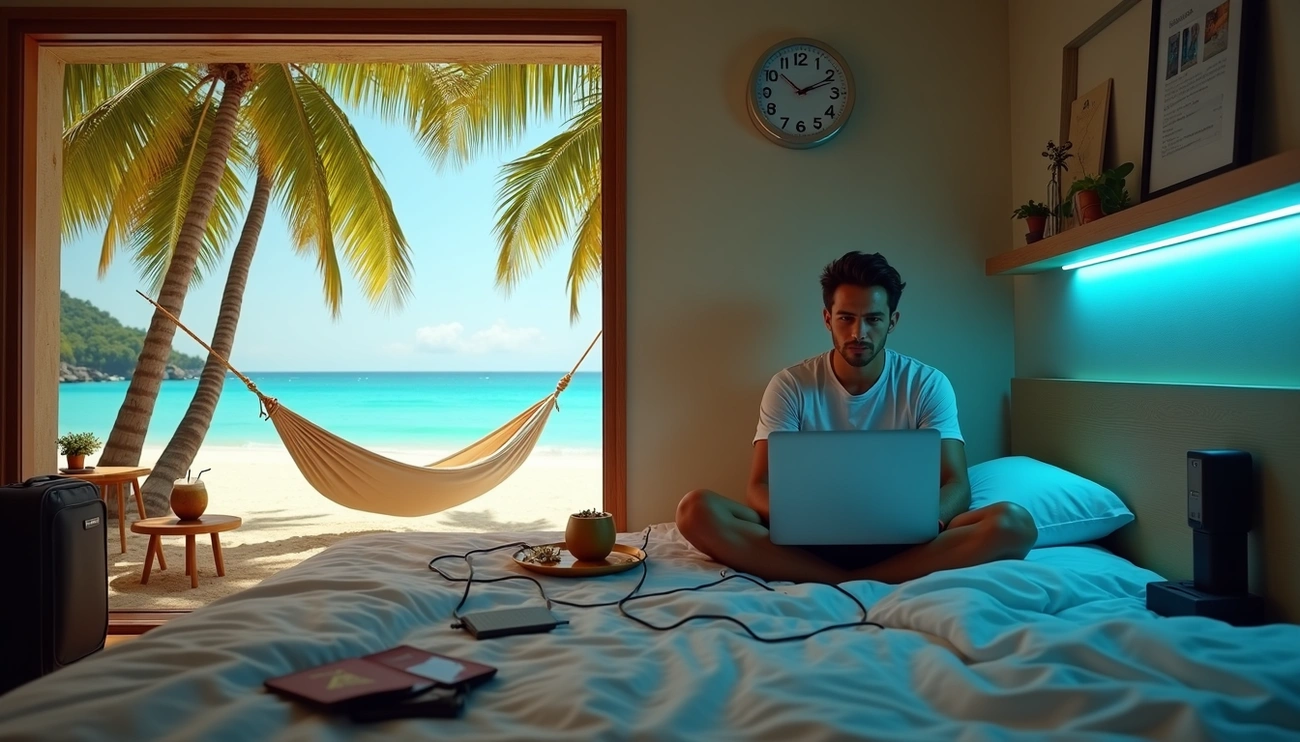

The digital nomad dream sells freedom – until reality sets in.
Digital nomads have transformed from a niche group of remote workers to a global movement reshaping how people approach careers and lifestyle. The number of Americans identifying as digital nomads surged by 131% since 2019, with more than 17 million workers now embracing this location-independent lifestyle. This explosive growth reflects a fundamental shift in work patterns worldwide.
What exactly constitutes a digital nomad? These are professionals who leverage technology to work remotely while traveling continuously, often crossing international borders in pursuit of new experiences. The global digital nomad trend has gained unprecedented momentum, with worldwide numbers jumping from 10.9 million in 2021 to over 35 million by the end of 2022. Furthermore, experts predict this community will expand to approximately 60 million by 2030.
Countries have taken notice of this shift. Nearly half of global destinations now offer specialized digital nomad visas, with over 73 countries including Italy and South Korea establishing formal programs to attract these mobile workers. This widespread adaptation demonstrates how deeply the digital nomad entrepreneur archetype has permeated economic strategies worldwide.
However, behind the Instagram-perfect scenes of laptops on beaches lies a more complex reality. Despite the freedom promised, today’s digital nomads differ from earlier stereotypes. Nearly half are married, and contrary to popular belief, 70% are parents traveling with their families. This growing demographic spans diverse age groups, with 70% between 24 and 44 years old, and 35% between 45 and 54.
The digital nomad lifestyle represents both tremendous opportunity and significant challenges. This article explores what lies beneath the surface of the remote work revolution, examining both the freedom it offers and the unexpected realities faced by those who pursue it.
Freedom on Paper, Structure in Practice
The paradox of digital nomad life becomes apparent within weeks of taking the plunge: unlimited freedom requires unexpected structure. What appears effortless on social media actually demands rigorous organization behind the scenes.
For most remote workers, a typical 9-to-5 job ends up dictating travels rather than the reverse. Many nomads find themselves limiting destinations based on time zones—unless they’re willing to take client calls at 2 a.m., as some do in places like Paris. This constant juggling act creates unique challenges around maintaining routines, building community, and finding time to enjoy destinations.
“It’s just not possible if you’re trying to have a real job,” notes one experienced nomad. The reality involves creating structured workdays that travel with you. Successful nomads establish consistent daily schedules, dedicate specific work hours, and maintain morning routines regardless of location.
Many discover that productivity paradoxically improves with self-imposed boundaries. Tactics include tackling the most demanding tasks first thing in the morning, using time-blocking techniques, and implementing the Pomodoro method of 25-minute focused work sprints.
Rather than constant movement, most seasoned digital nomads embrace “slow travel”—staying at least one month in each location to establish routines and avoid disruptive travel days. This approach reflects a fundamental truth: the most sustainable freedom comes with intentional constraints and thoughtful structure.
The Hidden Costs: Burnout, Loneliness, and Visa Math
Behind the filtered photos of laptops on beaches lies a reality many digital nomads don’t post about. Nearly one-third of British digital nomads report struggling with mental health challenges while adapting to life abroad. This lifestyle often comes with significant psychological costs.
Loneliness emerges as the most pervasive challenge. Despite constant interactions, many nomads struggle to form deep connections. The transient nature of relationships creates a paradoxical situation—surrounded by people yet feeling deeply isolated. Moreover, 31% miss key life events like weddings or funerals, and 20% report damaged friendships due to their mobile lifestyle.
Burnout manifests uniquely among nomads. The constant juggling of unreliable Wi-Fi, time zones, visa paperwork, and income instability gradually depletes mental resources. Some experience “social burnout” from constantly making new connections as previous ones move on. One nomad described the exhaustion: “It’s harsh… to speak about the same things all the time. I had like burnout, social burnout”.
Financial challenges compound these issues. Digital nomads must navigate complex international tax laws and manage unpredictable expenses. Additionally, career progression can suffer, with 24% reporting negative impacts on professional development.
The lifestyle demands careful management of these hidden costs alongside its freedoms—a balancing act rarely captured in Instagram posts.
Instagram vs. Real Life: What Nomad Living Actually Looks Like
Scroll through Instagram’s #digitalnomad hashtag and you’ll find an endless parade of laptops perched alongside tropical cocktails and pristine beaches. In contrast to these carefully curated images, most digital nomads confirm: you cannot work effectively from a beach. Sand damages electronics, sun glare makes screens unreadable, and there’s typically no reliable Wi-Fi to be found.
What’s the real picture? Digital nomad entrepreneurs spend most workdays in hotel rooms, apartments, or co-working spaces with ergonomic setups and reliable internet connections. Many wake early, establish structured morning routines, and work efficiently to free up evenings for exploration.
The digital nomad trend creates a unique psychological challenge—constant guilt. When working, nomads feel guilty for not exploring their destination; while exploring, they feel guilty for neglecting work. This perpetual tug-of-war becomes mentally exhausting.
Contrary to the vacation-like portrayal, global nomads often work more hours than in traditional jobs. Many report feeling pressured to prove themselves, leading to blurred boundaries and eventual burnout. The logistics of travel planning alone can consume up to 30% of a nomad’s time.
Essentially, the glamorous social media representation masks a challenging reality: “People with traditional 9-5 jobs see the digital nomad lifestyle as being on vacation every day, when in reality after a month it’s just work, but somewhere hotter”.
Is This a Phase or the Future of Work?
The digital nomad lifestyle represents a fascinating paradox in modern work culture. Despite its explosive growth and widespread appeal, the reality differs significantly from popular perception. Many aspiring nomads discover that unlimited freedom actually demands rigid structure, careful planning, and consistent routines. This juxtaposition of freedom and constraint forms the core experience for location-independent professionals worldwide.
Beyond Instagram filters and carefully staged beach photos lies a lifestyle filled with practical challenges. Digital nomads face unique struggles with loneliness, burnout, and maintaining relationships while constantly relocating. Their workdays rarely match social media portrayals, consisting primarily of ordinary office tasks performed from hotel rooms or co-working spaces rather than exotic locations.
Financial considerations likewise create unexpected complexity. Tax obligations, visa requirements, and career development concerns often clash with the spontaneous lifestyle many envision. Successful nomads learn that slow travel, deliberate scheduling, and dedicated work environments prove essential for sustainable remote work.
The extraordinary growth of this movement – from niche community to global workforce transformation – undoubtedly signals a profound shift in how people approach careers and lifestyle choices. Countries worldwide now compete for these mobile professionals through specialized visa programs and digital nomad-friendly policies. Still, anyone considering this path should approach it with clear eyes rather than rose-colored Instagram filters.
Digital nomadism ultimately represents neither paradise nor pitfall, but rather a lifestyle choice with unique advantages and distinct challenges. The most successful nomads embrace both aspects, creating boundaries that paradoxically enhance their freedom. Though perhaps less glamorous than portrayed online, this lifestyle offers genuine opportunity for those willing to navigate its realities with intention and structure.


