


The unseen consequences of over-tourism reveal a need for change in how we travel more sustainably.
People love to travel, whether it’s for the thrill of discovery, a much-needed break from work or to snag some enviable photos for social media. In 2019, a staggering 1.5 billion people traveled internationally—that’s equivalent to the entire population in China taking a trip abroad. As we move past the pandemic, the global tourism industry is witnessing a promising revival. According to the United Nations World Tourism Organization (UNWTO), international tourism had rebounded to 65% of its pre-pandemic levels by the end of 2022 and is expected to surge to nearly 90% by the end of 2023.
This renewed enthusiasm has reignited local economies but also brought back the challenge of over-tourism—a phenomenon where the influx of tourists far exceeds a destination’s capacity, straining local infrastructure, environments and cultures. Now, more than ever, it’s crucial to critically evaluate our travel behaviors in this new post-pandemic world. In this article, we’ll explore the impacts of over-tourism and discuss how we can travel more sustainably.
What countries are struggling with over-tourism?
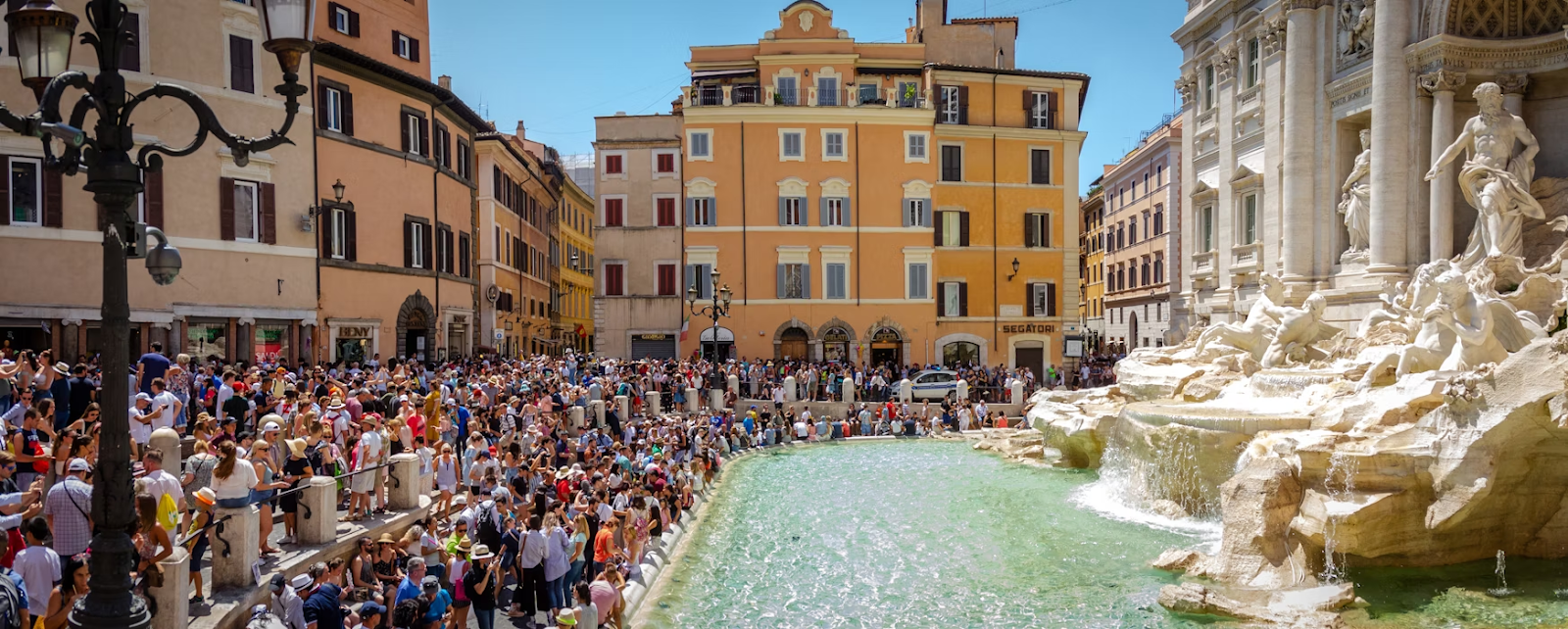
The Trevi Fountain in Rome, Italy
Image from Unsplash
Over-tourism is not a new dilemma, but its effects have become more pronounced as global travel resumes. Cities renowned for their historical landmarks and unique cultures, such as Venice, Rome, Dubrovnik, Barcelona and Amsterdam, are finding themselves swamped by tourists. In 2022, Italy alone saw nearly 50 million visitors, a number that matches its entire resident population.
Natural destinations are not spared. Places like Thailand’s Maya Bay and the Philippines’ Boracay Island had to close temporarily to recover from environmental damage. Similarly, in the Galapagos Islands and Hawaii, over-tourism is threatening the delicate balance of their unique ecosystems.
The impact of over-tourism is felt worldwide, from Europe’s ancient cities to the lush landscapes of Southeast Asia and beyond. These destinations, while benefiting economically in the short term, face long-term sustainability challenges that require immediate attention.
The negative impacts of over-tourism
Environmental and infrastructure impacts
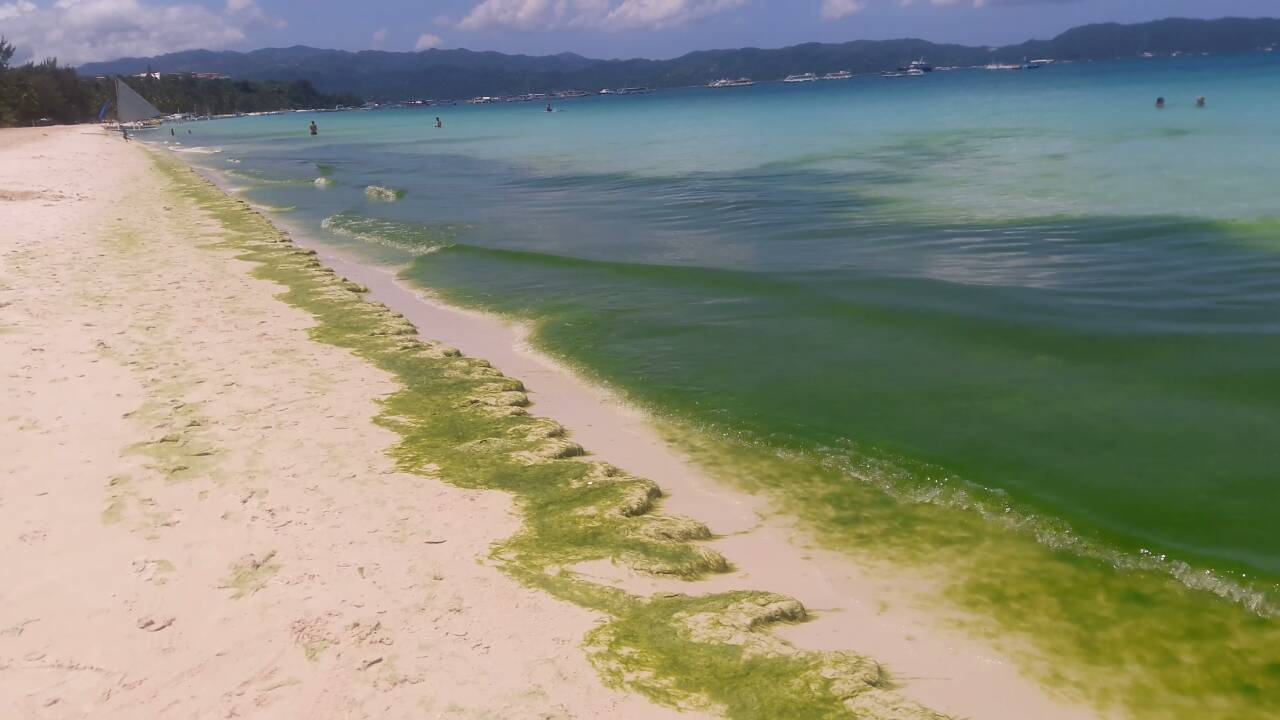
The growth of algae in Boracay before the island’s closure in 2018.
Image from Philippine News Agency
Over-tourism brings significant environmental challenges to natural habitats. Adventure activities, including diving, snorkeling and boating, can endanger fragile ecosystems such as coral reefs and threaten biodiversity and habitats of local wildlife.
In urban areas, the impact is equally troubling. Cities popular with tourists are grappling with escalating waste and water management issues. The United Nations Environment Program reports that tourists generate approximately 4.8 million tonnes of waste annually. Overwhelmed by tourist numbers and hampered by inadequate waste management systems, these cities face serious environmental degradation.
Furthermore, the infrastructure in these hotspots is heavily burdened. Facilities like hotels and golf courses consume vast amounts of water, exacerbating existing shortages. Meanwhile, local roads and public services such as transportation and healthcare are strained by the influx of visitors, degrading both the quality of life for residents and the overall tourist experience.
Economic and social impacts
Economically, while tourism boosts local economies, it also introduces challenges such as inflation, making living costs unaffordable for local residents. Property markets are particularly impacted, with rents and values skyrocketing due to demand from holiday rentals. This phenomenon is seen in Venice, where locals are increasingly priced out and residential areas are being transformed into commercial zones dominated by short-term rentals.
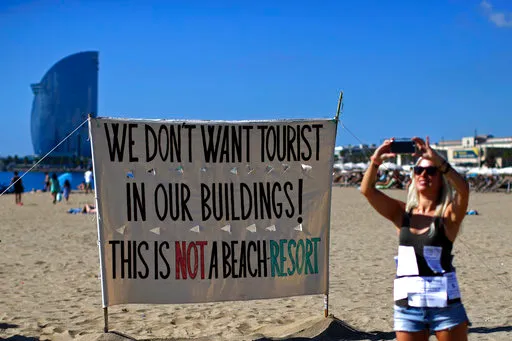
Barcelona residents protesting against over-tourism in 2017.
Image from New Jersey Herald
This economic disparity also contributes to social inequality within communities, exacerbating tensions between locals and tourists. In Barcelona, locals have expressed their frustrations through anti-tourism movements. They have demanded limits on tourism through protests and slogans like “Return the beach back to others” and “We do not want tourists in our buildings! This is not a beach resort”. Such sentiment speaks to the social strain and cultural disintegration that can result from unmanaged tourism.
In addition, the cultural fabric of tourist-heavy destinations often undergoes profound changes. The commodification of local customs to cater to tourist tastes can dilute authentic cultural experiences, impacting both the visitor experience and local pride in cultural heritage.
The irony of over-tourism is that it threatens the very uniqueness that attracts visitors, potentially eroding the identity of popular destinations and diminishing the quality of life for the residents who consider these places home.
How can tourists mitigate over-tourism
As tourists, we play a pivotal role in shaping the future of the destinations we visit. By adopting responsible travel practices, we can help ensure these places continue to thrive. Here are actionable steps to consider:
- Travel during off-peak seasons: Opting to visit popular destinations during quieter times not only enhances the travel experience by avoiding crowds but also helps spread economic benefits throughout the year.
- Explore lesser-known destinations: Venturing beyond the well-trodden paths to explore hidden gems supports smaller communities and reduces the burden on over-visited areas.
- Support local economies: Directly engaging with local businesses ensures that your travel spending benefits the residents. Choosing local accommodations, eateries and artisan products over international chains can make a significant positive impact.
- Adopt sustainable habits: Emphasize reducing waste, recycling and conserving resources. Participate in eco-friendly activities that respect the local environment and contribute to conservation efforts.
- Educate yourself and others: Take the time to learn about the local culture and customs of the places you visit. Share this knowledge to promote understanding and respect among fellow travelers.
Tourists can also turn to innovative startups that are paving the way for sustainable travel. These companies offer solutions that enhance sustainability across various aspects of travel:
Eco-friendly mobility and accommodation
- Green Globe: Certifies hotels and travel companies that adhere to stringent sustainability standards, ensuring environmentally responsible practices.
- Byway: Specializes in flight-free travel packages that use trains, boats and bicycles, reducing carbon emissions and encouraging slow travel.
- Paravel: Designs and produces travel gear from recycled materials, aiming to reduce waste and promote sustainable consumer habits.
Cultural and ecological tourism initiatives
- Above Safaris: Offers sustainable custom safari experiences in East Africa with an emphasis on environmental conservation and genuine cultural exchange.
- Intrepid Travel: Provides small group tours that use local transport and accommodations to minimize carbon footprint and ensure travel dollars benefit the local economy directly.
- Gondwana Ecotours: Offers eco-tours that emphasize conservation and education, helping travelers engage with wildlife and nature in a responsible and sustainable way.
- Experience Travel Group: Creates tailor-made travel experiences across Asia, focusing on ethical tourism practices that respect local traditions and natural environments.
By choosing to travel with companies committed to sustainability, tourists can contribute to a healthier tourism ecosystem. These practices ensure that the beautiful places we visit today remain vibrant and inviting for generations to come.
Also read:
- Top 5 Travel Startups to Check Out in 2022
- 8 Ways to Earn Money From Travel Blogging
- Time To Travel: What Is the Metaverse’s Role in Tourism?
Header Image from Pexels


