
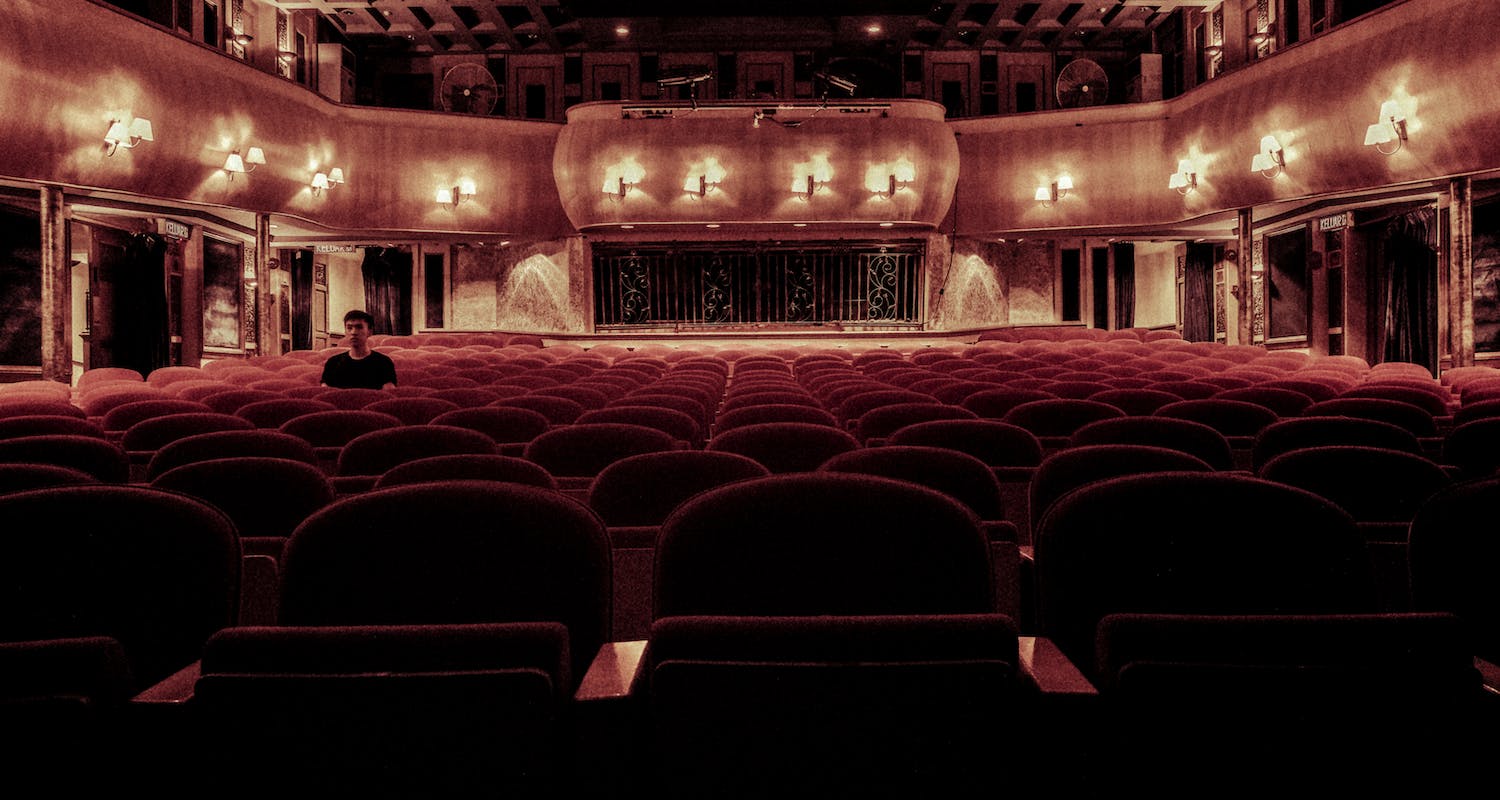

Lights, camera and algorithm! Delving into the quirks and quandaries of cinema’s AI love story.
The arrival of artificial intelligence (AI) in filmmaking is changing the game, introducing endless possibilities into an industry known for its creativity. Hollywood, known for its glitz and glamour, is already on board, using AI to pick out potential hits through script analysis and predictive analytics. This allows filmmakers to make data-informed decisions on which scripts might win the audience’s hearts.
But, it’s not all smooth sailing. The rise of AI brings concerns, especially about jobs traditionally done by people, like editing and scriptwriting (read: the Hollywood writers’ strike). What will happen to human creativity and jobs in an AI-driven world?
In this article, we delve into the complexities AI introduces to cinema, examining both its potential and its pitfalls.
The tech takeover?

Image by senivpetro on Freepik
The role of film editors, the creative minds that transform raw footage into compelling narratives, is under threat from AI’s rise. As AI editing systems grow more sophisticated, they’re gaining skills in large-scale data analysis, understanding pacing and even making creative choices. This could reduce the demand for human editors by taking over tasks traditionally done by them.
Similarly, visual effects (VFX) artists, who infuse our screens with magic, may find their roles challenged by AI. Advanced machine learning and computer vision technologies enable the creation of lifelike visual effects with little need for human input.
But the issue runs deeper than just the loss of jobs. It touches on a fundamental fear: the loss of the film industry’s very essence.
Creativity on the line

Image by Mike on Flickr
Cinema thrives on its ability to tell stories that connect deeply with the human experience. Critics argue that artificial intelligence (AI), despite its advancements, might not fully capture the authentic essence of storytelling. AI-driven scripts tend to lean on algorithms that mimic past successes, lacking the spontaneity and depth that human writers bring to their tales. The voice of dissent from the Writer’s Guild Strike in the U.S. highlights this concern. Many writers who participated in the strike argued that the nuanced emotional depth and cultural richness born of human experience cannot be algorithmically replicated.
Moreover, the shift towards AI assistance in scriptwriting raises economic and ethical questions. Writers may find their contributions minimized to mere polishing of AI-generated drafts, threatening not only their livelihoods but also the originality and authenticity of cinematic stories.
Homogenized content

Image by Jakob Owens on Unsplash
AI’s potential to streamline narrative creation also poses the risk of content homogenization. By training on scripts that have historically found success, AI algorithms might favor specific genres, themes or narrative structures. This might narrow the spectrum of stories and innovation brought to the screen, leaving audiences with a landscape of repetitive and predictable content.
Furthermore, this technology’s dependence on pre-existing data sets for learning amplifies the concern of ingrained biases shaping future storytelling. For instance, if the AI’s training ground—historical films and blockbuster genres—skews towards male-dominated narratives, the resulting AI-generated stories may mirror these biases, sidelining diverse gender perspectives. Race and cultural representation face similar jeopardy. AI, without conscious guidance, could echo and reinforce stereotypes, undermining efforts to foster inclusivity and authenticity in cinematic storytelling.
Privacy and ethics

Image by rawpixel.com on Freepik
The advent of AI in the film industry has brought to the forefront significant privacy and ethical dilemmas, especially regarding the replication of actors for posthumous performances or the creation of deepfakes. These applications blur the lines between reality and AI-generated content, prompting questions about consent and intellectual property rights.
Deepfake technology, which harnesses AI to superimpose one person’s likeness onto another’s face in video content, presents another set of ethical challenges. In the film industry, this could be used for various purposes, such as altering performances or creating scenes that never occurred. However, the misuse of deepfake technology can infringe on individuals’ privacy and damage their reputation. For instance, manipulating an actor’s image to produce misleading scenarios or statements could have dire consequences for their personal and professional lives.
Economic impacts on the filmmaking industry

Image by Alexander Mils on Unsplash
As AI makes its mark on the film industry, the economic landscape begins to shift, presenting a dichotomy of cost efficiency against competitive disparity. The allure of AI lies in its potential to streamline production processes and cut costs, a boon for large studios and production houses that can easily invest in these technologies. This edge could amplify their dominance, nudging the industry towards a possible monopolization by those who wield AI most effectively.
On the flip side, independent filmmakers and smaller studios find themselves in a precarious position. Operating with much tighter budgets, these creatives may struggle to embrace AI due to the upfront investment required for technology adoption, from purchasing systems to training staff. This imbalance threatens to widen the gap between the industry giants and the underdogs, potentially stifling diversity and innovation by making it harder for smaller entities to compete.
Final thoughts
As we navigate the dawn of an AI-enhanced era in cinema, it’s crucial to proceed with caution. The benefits of AI in filmmaking are clear, presenting new opportunities for innovation and efficiency. Yet, we must address the looming challenges—impacts on employment, creativity, diversity and cultural integrity.
Adopting a balanced approach, where human creativity and AI efficiency coexist, could mitigate these concerns. Our goal should be to welcome this new era while preserving the timeless qualities that have defined cinema. By doing so, we can ensure the future of film remains as vibrant and human as ever, continuing to captivate audiences worldwide with stories that resonate deeply across cultures and generations.
Also read:
- 5 Lessons from Barbie’s Marketing Strategies
- Humanity vs AI: Exploring the Big Questions in Top 5 AI Movies
- First Film Ever Written and Directed by AI: The Safe Zone
Header Image Courtesy of Pexels


