
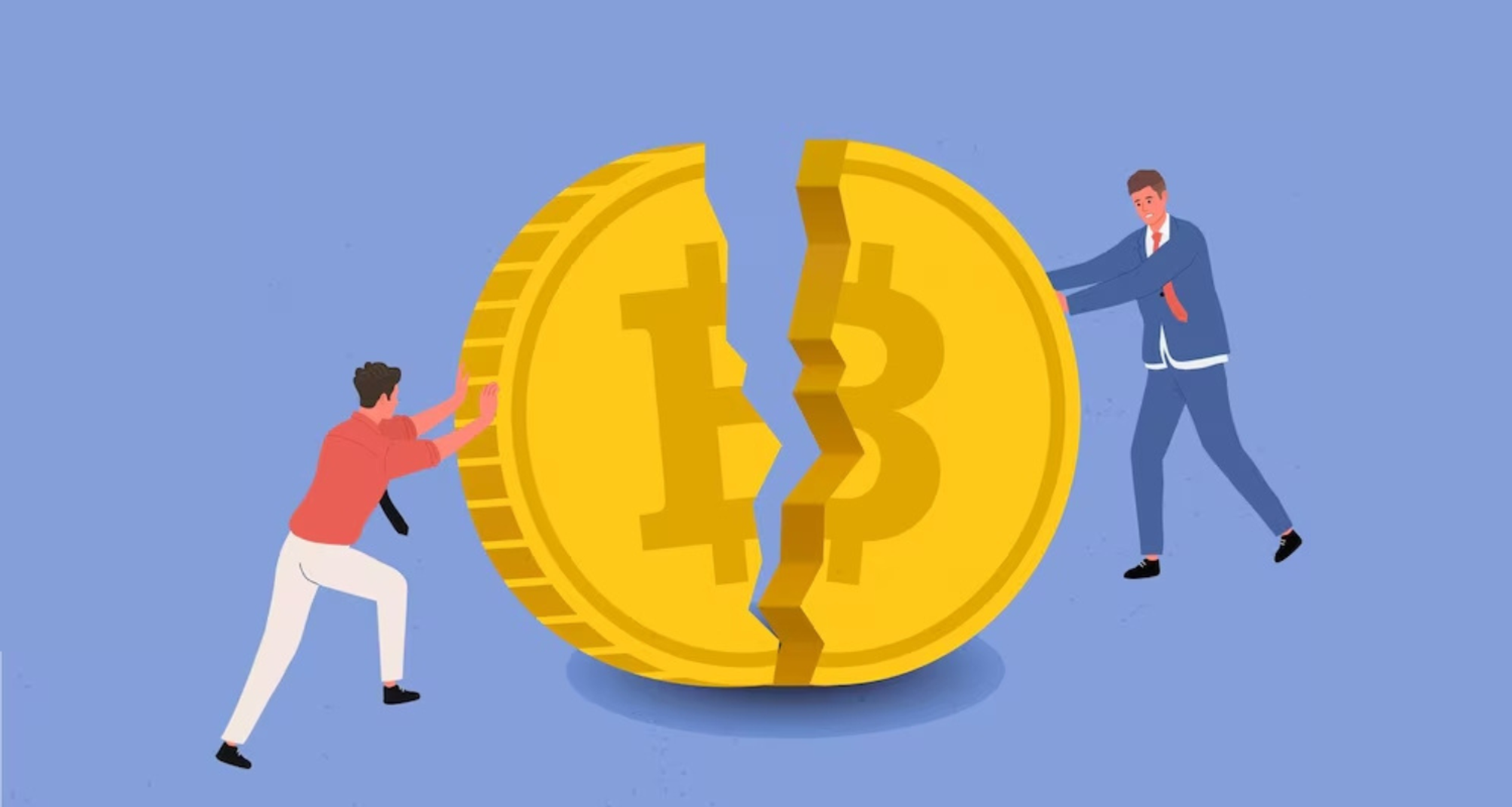

Get ready for a seismic shift in Bitcoin’s economy as the 2024 halving cuts deeper than just miner rewards.
As the crypto world emerges from what many have termed the “long crypto winter”, Bitcoin’s trajectory has taken a turn that has both enthusiasts and skeptics on the edge of their seats. In March 2024, Bitcoin’s price rose to an all-time high at US$73,805. This event signals not just a revival of market optimism but also serves as a prologue to the much-anticipated Bitcoin halving on April 20, 2024.
If you’re wondering what this Bitcoin halving event means and why it matters so much to the crypto ecosystem, read on!
What is Bitcoin halving?
Bitcoin halving is a mechanism that slashed Bitcoin’s mining reward by half. This event is hard-coded into Bitcoin’s DNA by its mysterious creator, Satoshi Nakamoto. It is scheduled to take place every 210,000 blocks or roughly every four years. The 2024 halving will see miner rewards decrease from 6.25 to 3.125 Bitcoins per block.
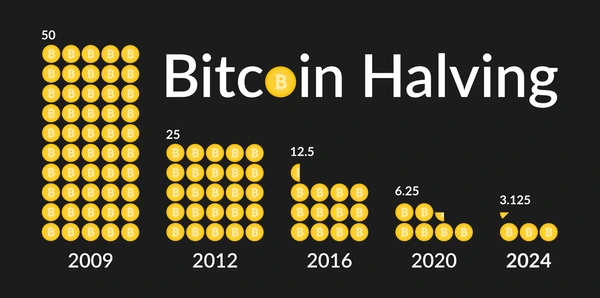
Image from investingdaily.com
But why introduce such a drastic measure? The answer lies in Bitcoin’s bid to mimic the scarcity of precious metals—a feature that ensures its value is preserved by limiting the supply (i.e. 21 million Bitcoins), thereby making it inflation-resistant. There are currently about 19.65 million Bitcoins in circulation, meaning that only around 1.35 million can be mined through rewards.
Basics of the Bitcoin network
To understand the significance of Bitcoin halving, let’s get familiar with how the Bitcoin network and the mining process operate.
Bitcoin operates on a blockchain, a decentralized and distributed ledger that records all transactions across a network of computers. This network consists of nodes and miners, each playing a crucial role in maintaining integrity and security of the blockchain.
Nodes: The backbone of the blockchain
Nodes are computers that are connected to the Bitcoin network that validate and relay transactions and blocks in the system. Each node keeps a complete copy of the blockchain, ensuring transparency and redundancy. This is vital for the network’s resilience against attacks or failures.
As of April 15, 2024, there were a total of 18,094 reachable nodes on the Bitcoin peer-to-peer network, according to Bitnodes’s data. Anyone can join Bitcoin’s network as a full node by downloading the entire blockchain and its transaction history, provided that they have hundreds of gigabytes of storage space and computing power.
Miners: The architects of blockchain consistency
Miners are people who use powerful computers to mine Bitcoin. Their main job is to solve complex mathematical challenges, known as cryptographic puzzles, which are necessary to add new blocks to the blockchain and confirm transactions. This mining process is critical for two reasons: it helps keep the network secure by making it difficult to alter the recorded data, and it rewards miners with new Bitcoins when they successfully create a block.
The Bitcoin network uses a consensus mechanism known as “Proof-of-Work” (PoW) to ensure that all transactions are legitimate. This system requires miners to spend a significant amount of time and energy to solve the puzzles, proving that effort they have made an effort to keep the data secure.
Once the miners have solved these puzzles, they find what’s called a “hash”, a unique hexadecimal number that represents the encrypted information of the previous block. This hash is crucial because it links the new block to the chain in a way that is secure and immutable. Finding the hash first is a race against time, as the first miner to do so gets to add the block to the blockchain and claim the reward.
After a block is added, other nodes in the network verify the transactions it contains to ensure that everything is correct and complies with Bitcoin’s rules. This verification by nodes and the continual addition of new blocks create a chain, which is what we know as the blockchain.
Bitcoin halving effects
The phenomenon of Bitcoin halving goes far beyond simply reducing mining rewards; it can impact Bitcoin’s inflation rate, demand dynamics and operational challenges for miners.
Inflation and the controlled supply of Bitcoin
The main aim of halving the reward every four years is to combat inflation. In this way, the annual inflation rate of Bitcoin decreases, which increases its appeal as a “store of value”. This gradual reduction mimics the scarcity-induced value retention seen in gold, but in a digital context.
Demand in the wake of halving
The anticipation of a halving event tends to generate a lot of interest in the crypto community. Some see it as bullish, mainly due to the expected reduction in new supply hitting the market. If the demand for Bitcoin remains constant or increases, the reduced supply from miners can drive up prices. This expectation can lead to a self-fulfilling prophecy, as investors buy into Bitcoin ahead of a halving in the hope of capitalizing on potential price gains.
However, it’s important to note that there’s no concrete proof that previous Bitcoin halvings have affected the price of Bitcoin, as reported by Reuters.
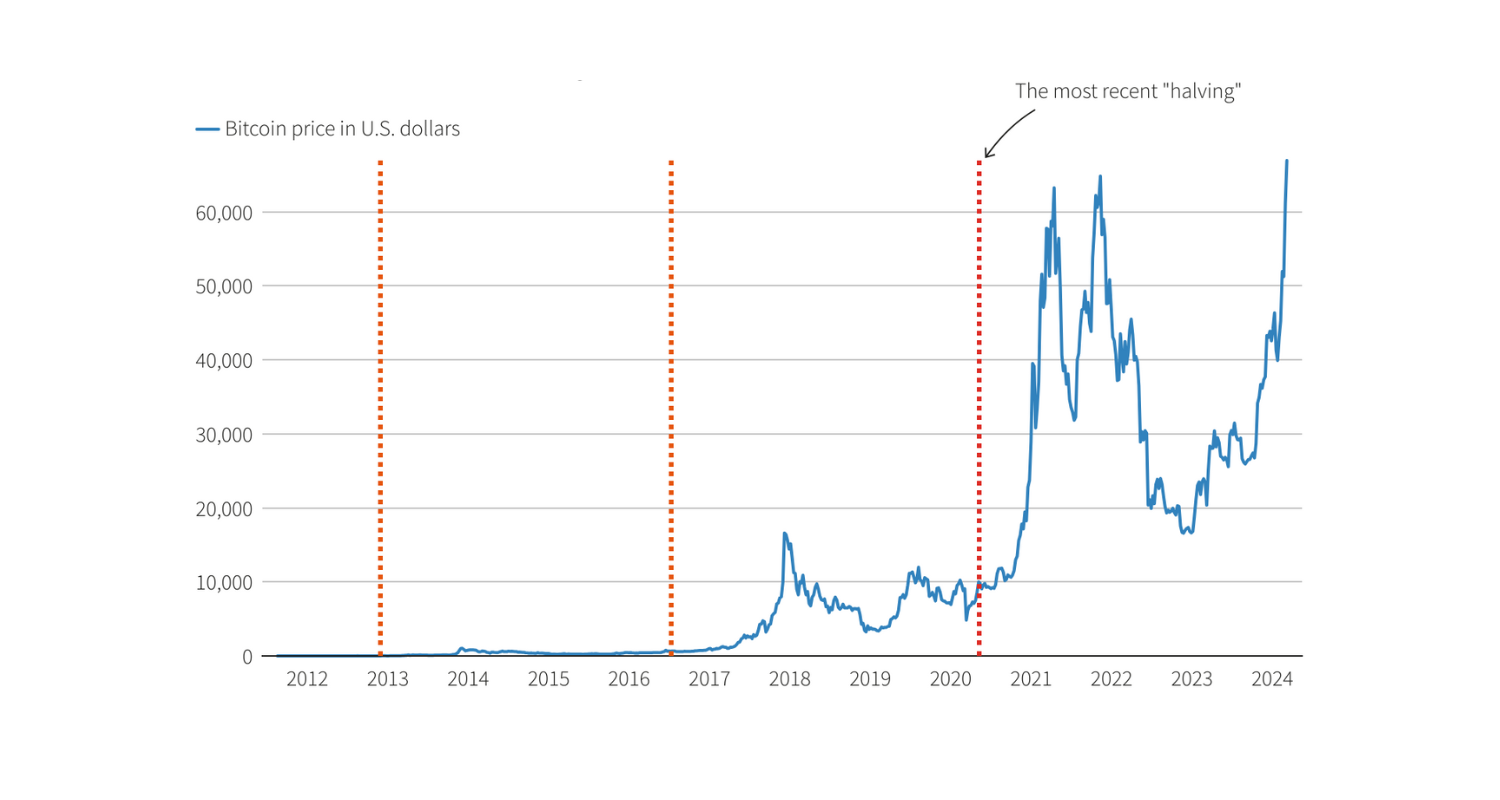
Image from Reuters
Shrinking profit margins for miners
Bitcoin halvings can pose a challenge for miners, as they need to adapt to the reduction in mining rewards while keeping operating costs under control. According to a report by CoinDesk in June 2023, the cost of mining a single Bitcoin was estimated to be between US$10,000 and US$15,000. After halving in 2024, some experts predict that these costs could rise to as much as US$40,000 under certain conditions, including fluctuations in energy prices and advances in mining technology. As a result, miners may need to explore strategies to remain competitive and economically viable, for example by reducing energy costs and improving the efficiency of their mining equipment.
What happens when there are no more Bitcoins to mine?
One of the most intriguing questions surrounding Bitcoin is what happens when all 21 million coins have been mined—which is expected to be around the year 2140. Once all the coins are mined, the incentive structure for miners will change significantly, as block rewards will no longer be issued. Instead, the compensation for miners will be switched entirely to transaction fees.
The viability of this model depends on the continued growth of Bitcoin adoption and the overall value of the network. If these factors align, then transaction fees could provide sufficient compensation to effectively maintain and secure the operation of the network.
Conclusion
As Bitcoin goes through its fourth halving, the crypto world is bracing itself for the fallout. Anticipation runs high, with expectations of soaring prices, heightened adoption rates and new regulations for cryptocurrencies.
Regardless of the outcome, one thing is certain: the 2024 halving marks a significant milestone in Bitcoin’s journey. It serves as a poignant reminder of the cryptocurrency’s continued influence and its integral role in shaping the future of finance.
Also read:
- Why Is Bitcoin Price So Volatile and Will It Ever Be Stable?
- The Best 4 Hardware Crypto Wallets of 2024
Header image from Freepik


