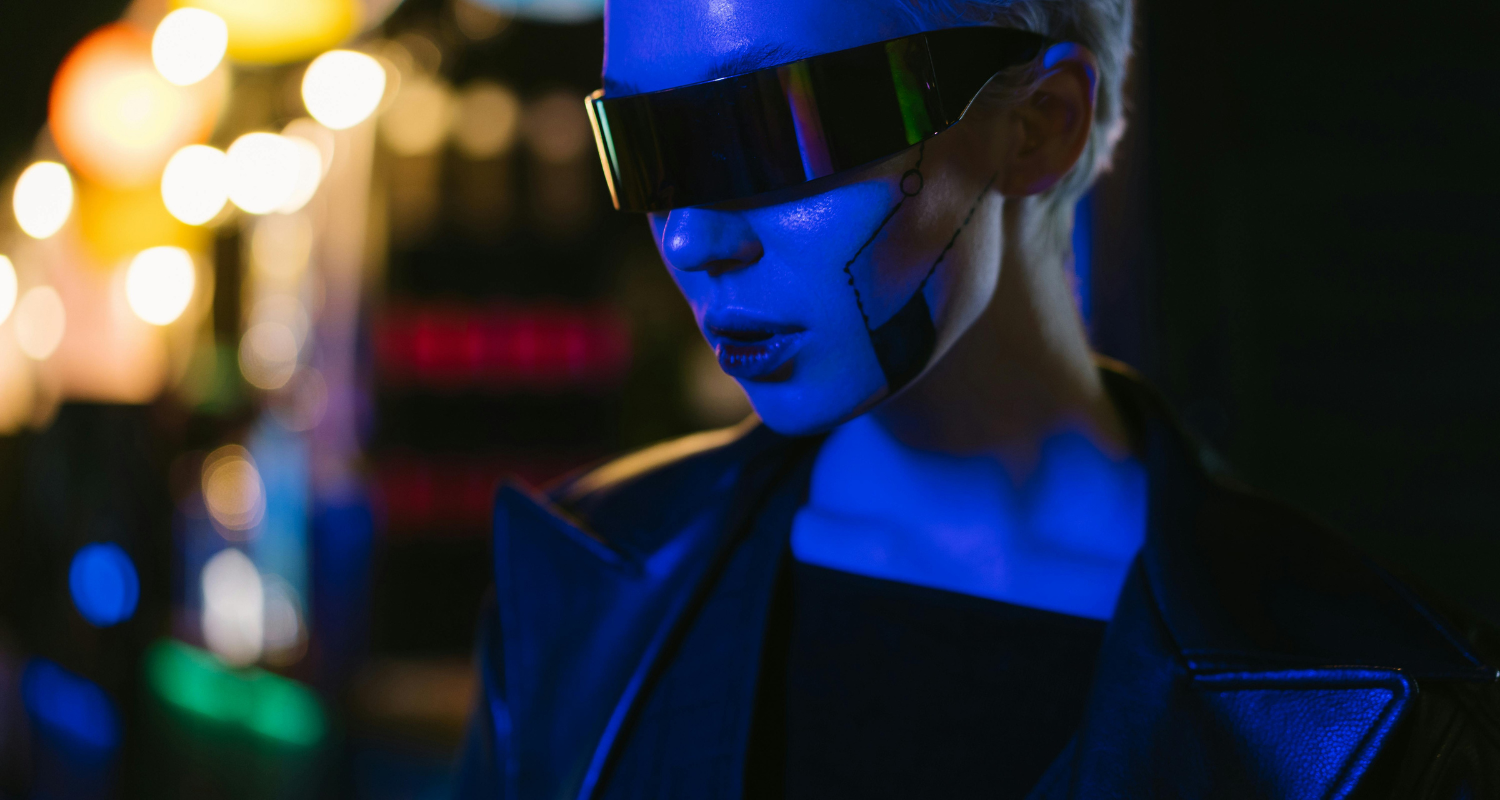

When your digital self works alongside you.
A personal AI avatar is a digital representation of an individual that can communicate, make decisions, and perform tasks on their behalf. Unlike traditional chatbots or virtual assistants, these avatars are designed to mirror a person’s voice, personality, preferences, and knowledge. In essence, they act as intelligent digital extensions of ourselves.
Recent advances in artificial intelligence—especially in areas like Machine Learning, Natural Language Processing, and Computer Vision—have made it possible to create avatars that look, sound, and behave remarkably like real people. These avatars can appear as animated characters, realistic digital humans, or even voice-only agents.
In the near future, personal AI avatars may attend meetings, respond to emails, manage online interactions, and even represent individuals in virtual spaces. Rather than replacing human interaction, they are likely to function as assistants that amplify productivity and presence in the digital world.
The Rise of the Digital Twin
One of the most compelling ideas behind personal AI avatars is the concept of a “digital twin.” A digital twin is a data-driven model of an individual that reflects their habits, preferences, and behavioral patterns.
By learning from emails, calendars, documents, and conversations, an avatar can gradually understand how a person communicates and makes decisions. Over time, it may become capable of drafting responses in the user’s style, scheduling meetings according to their priorities, and filtering information based on their interests.
Professionals could benefit enormously from such systems. Entrepreneurs might deploy AI avatars to respond to routine queries from clients or investors. Educators could create avatars that answer students’ questions even outside class hours. Content creators might use avatars to engage audiences across multiple platforms simultaneously.
In effect, personal AI avatars could become a new layer of digital identity—one that operates continuously, even when the person is offline.
A New Kind of Online Presence
The internet has already transformed how people present themselves. Social media profiles, professional networking pages, and personal websites all serve as digital representations of identity. Personal AI avatars take this concept much further.
Instead of static profiles, individuals could maintain dynamic AI-powered representatives capable of interacting with others in real time. Imagine visiting someone’s website and speaking directly with their avatar, which can explain their work, answer questions, and schedule a meeting.
In virtual worlds and immersive environments, avatars could become the primary way people interact. Platforms inspired by the vision of the Metaverse may rely heavily on such intelligent representations. In these spaces, your avatar might attend conferences, collaborate on projects, or socialize with others while learning from each interaction.
This shift could redefine online communication. Instead of sending messages and waiting for replies, people might engage in continuous conversations with AI avatars that represent real individuals.
Opportunities for Work and Creativity
The potential applications of personal AI avatars extend across industries. In business, executives could deploy avatars to handle preliminary negotiations, customer inquiries, or internal updates. This could free up time for higher-level strategic thinking while ensuring that routine interactions are handled efficiently.
In creative fields, avatars might help artists, writers, and influencers maintain a stronger presence with their audiences. An author’s avatar could discuss their books with readers. A musician’s avatar could interact with fans around the world simultaneously.
Education is another promising area. Teachers could create avatars trained on their lectures, notes, and expertise. These avatars could serve as on-demand tutors for students, answering questions and explaining concepts long after the classroom session ends.
Such systems could dramatically expand the reach of individual expertise. A single person could effectively “be present” in multiple places at once.
Ethical Questions and Identity Risks
Despite their promise, personal AI avatars also raise complex ethical questions. If an avatar can convincingly mimic someone’s voice and personality, issues of consent and authenticity become critical.
For instance, who controls an avatar once it has been trained on a person’s data? Can it continue to operate after the person stops using it—or even after they die? Some technologists have already explored the idea of “digital immortality,” where AI avatars preserve an individual’s knowledge and personality for future generations.
There are also risks related to impersonation and misuse. If malicious actors gain access to avatar technology, they could create convincing replicas of individuals without permission. This could lead to fraud, misinformation, or reputational harm.
Regulation, authentication systems, and ethical guidelines will likely be necessary to ensure responsible use of personal AI avatars. Transparency—clearly identifying when someone is interacting with an AI representation rather than the person themselves—will be crucial.
Living Alongside Our Digital Selves
Personal AI avatars represent a profound shift in how humans interact with technology. Instead of tools that simply respond to commands, these systems may become digital collaborators capable of learning, communicating, and acting on our behalf.
As the technology matures, individuals may manage not just their physical presence but also their digital one. Your avatar might attend meetings while you sleep, answer questions from colleagues, or guide visitors through your work portfolio.
The challenge will be maintaining authenticity and trust in a world where digital representations can speak and act independently. If designed responsibly, personal AI avatars could become powerful extensions of human capability—helping people share knowledge, manage complexity, and connect across the digital landscape.
In the future, having an AI avatar may be as common as having an email address or social media profile. The difference is that this digital presence will not just represent you—it will actively work for you.
Header image from Pexels