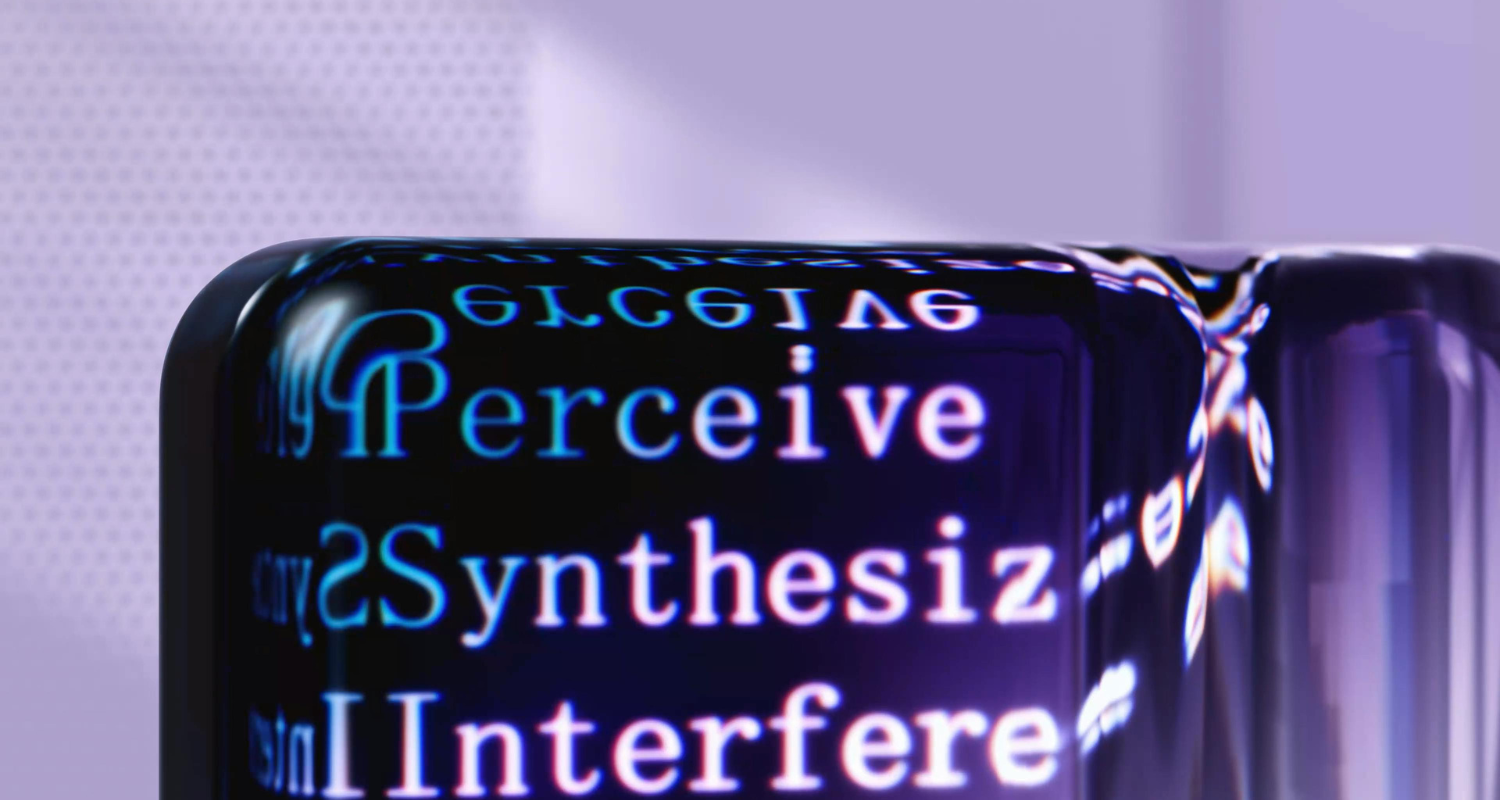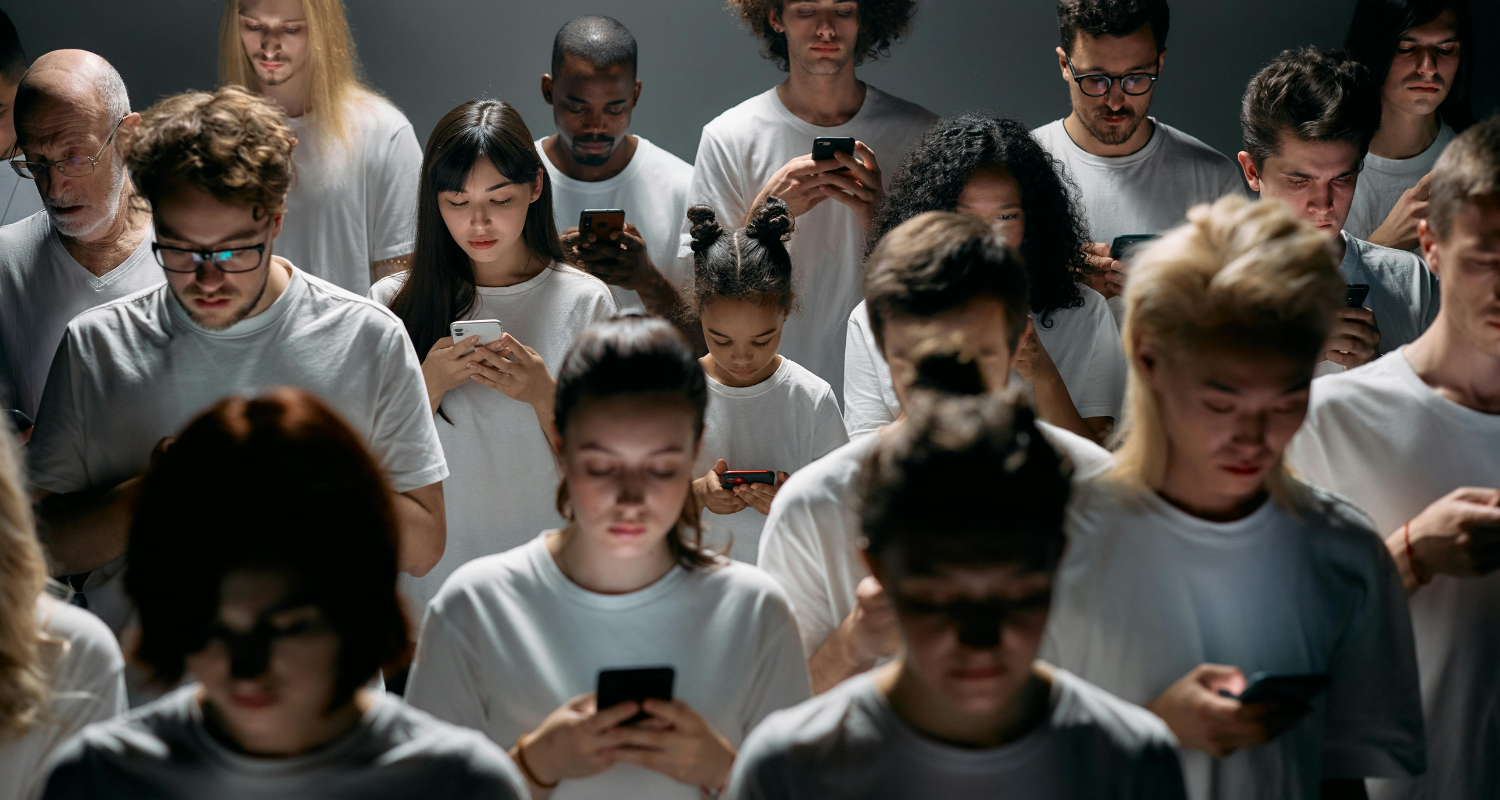


When reality itself becomes editable.
Synthetic media refers to digital content—images, videos, audio, or text—created or significantly modified by artificial intelligence. What once required professional studios and expensive software can now be produced with a few prompts and a laptop. AI models can generate realistic human faces, clone voices, fabricate speeches, and even produce entirely fictional events that look convincingly real.
Advances in generative AI have accelerated this shift. Tools capable of producing lifelike videos, deepfake audio, or AI-generated news scripts are becoming widely accessible. While these technologies offer immense creative possibilities, they also raise profound questions about authenticity and trust in the digital age.
Historically, visual and audio recordings were treated as reliable evidence. Photographs documented history, videos captured events, and recorded voices verified statements. Synthetic media disrupts this long-standing assumption. When machines can fabricate reality with precision, the traditional relationship between media and truth becomes far more fragile.
Deepfakes and the Erosion of Visual Evidence
One of the most widely discussed forms of synthetic media is the deepfake—AI-generated or AI-altered video or audio designed to mimic real people. Deepfakes can convincingly place individuals in situations that never occurred or make them say things they never said.
This technology can be used harmlessly in entertainment, film production, and education. Actors can appear younger on screen, historical figures can be recreated for documentaries, and language dubbing can be seamlessly synchronized with lip movements.
However, the same technology can also be weaponized. Deepfake videos could influence elections, damage reputations, or spread misinformation at scale. A fabricated video of a political leader making inflammatory statements could spread rapidly before fact-checkers intervene. Even if later proven false, the damage to public perception may already be done.
The challenge is not just the existence of fake media but the speed at which it spreads. In an era of viral content and algorithm-driven feeds, a compelling piece of synthetic media can reach millions within minutes.
The “Liar’s Dividend” Problem
Interestingly, synthetic media does not only create fake content—it also undermines real content. This phenomenon is often referred to as the “liar’s dividend.”
When deepfakes become common, people can dismiss genuine evidence by claiming it is fabricated. A politician caught on video engaging in misconduct might argue that the footage is AI-generated. As the public becomes aware of the possibility of synthetic manipulation, uncertainty increases—even around authentic material.
This dynamic erodes a shared foundation of facts. In democratic societies, public debate relies on some degree of agreement about reality. If citizens cannot trust what they see or hear, collective decision-making becomes more difficult.
The liar’s dividend illustrates how synthetic media changes not only the production of content but also the psychology of trust.
Technology Fighting Technology
Despite these risks, technology is also evolving to counter the threats posed by synthetic media. Researchers are developing AI-powered detection systems capable of identifying subtle inconsistencies in manipulated content—such as irregular eye movements, unnatural lighting patterns, or digital artifacts invisible to the human eye.
Another emerging solution is digital provenance. Some organizations are working on systems that attach cryptographic signatures to photos and videos at the moment of capture. These signatures create a verifiable record showing when and where a piece of media was created and whether it has been altered.
Large technology companies, media organizations, and research institutions are collaborating on standards for content authenticity. These initiatives aim to establish transparent chains of custody for digital media so that viewers can verify the origin of what they are seeing.
While no detection method will be perfect, combining technical tools with platform policies and regulatory frameworks may help maintain some level of trust in digital content.
Media Literacy in the Age of AI
Ultimately, technology alone cannot solve the problem of synthetic media. The human factor—how people interpret and evaluate information—will play a crucial role.
Media literacy is becoming a critical skill in the AI era. Individuals must learn to question sources, verify information across multiple channels, and remain cautious about sensational content. Instead of assuming that a photo or video is proof, audiences may need to treat digital media as one piece of evidence among many.
Educational institutions, journalists, and public organizations will increasingly focus on teaching these critical thinking skills. Understanding how AI-generated media works can help people recognize its limitations and potential misuse.
At the same time, responsible creators and companies must adopt ethical guidelines when deploying synthetic media technologies. Transparency—clearly labeling AI-generated content—can help maintain public trust.
Redefining Truth in a Synthetic World
Synthetic media does not necessarily mean the end of truth, but it does require society to rethink how truth is established and verified. Instead of relying solely on visual evidence, future systems may depend more heavily on verified sources, digital authentication, and trusted institutions.
In many ways, the challenge mirrors earlier technological disruptions. The printing press, photography, radio, and the internet all transformed how information spreads and how truth is perceived. Each shift forced societies to develop new norms, institutions, and safeguards.
Artificial intelligence represents the next stage in this evolution. The tools that can fabricate convincing realities also have the potential to enhance creativity, storytelling, and education in unprecedented ways.
The future of truth will likely depend on a balance between innovation and accountability—where technology continues to advance, but systems of verification, ethics, and public awareness evolve alongside it.
In a world where reality can be synthesized, the most valuable currency may not be information itself, but trust.
Header image from Pexels