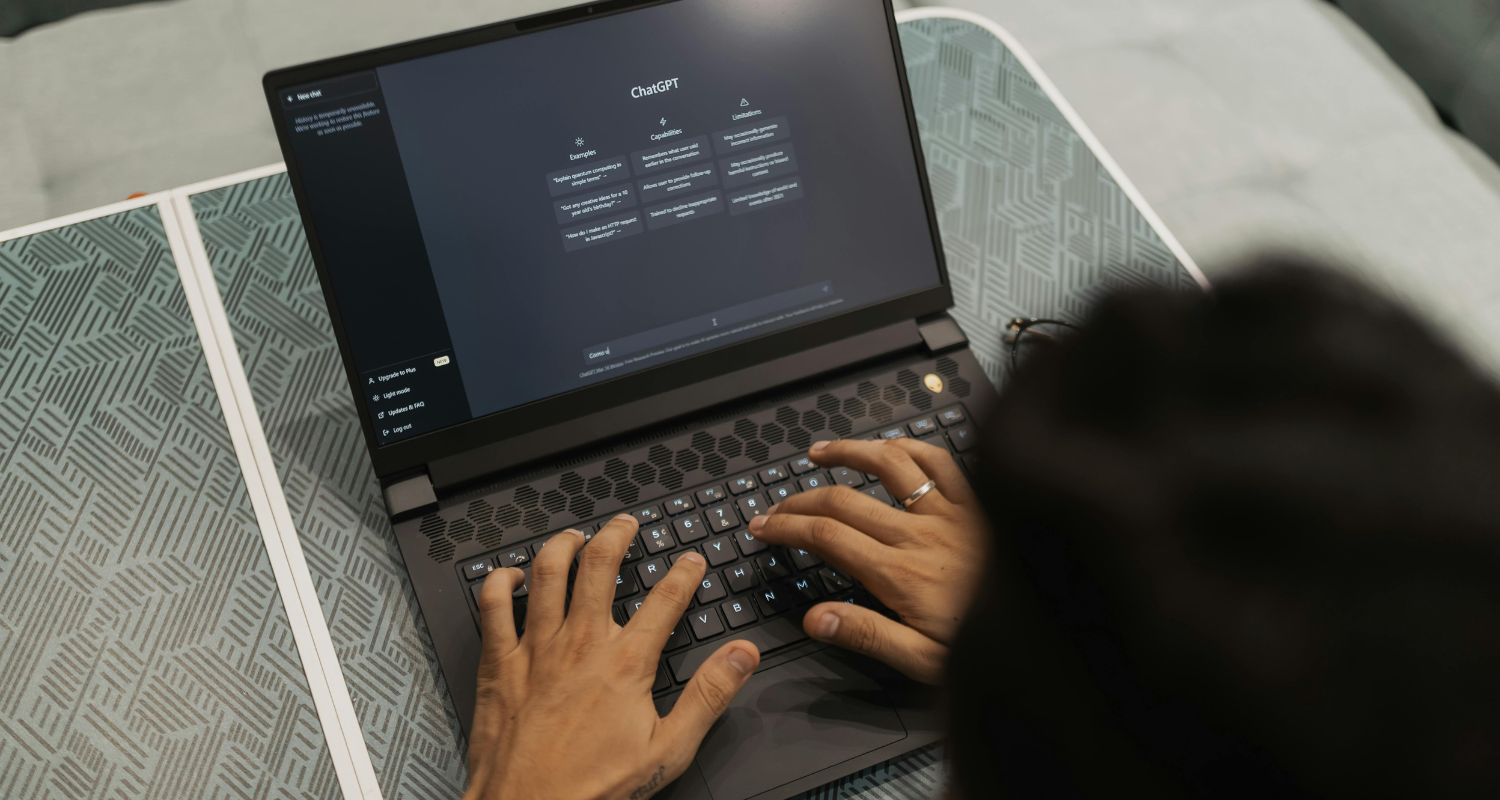


Pack your laptop—these five cities turn remote work into a dream vacation.
Remote work isn’t just a trend anymore—it’s become a lifestyle for nearly 18 million Americans who’ve swapped traditional office spaces for global adventures. As more professionals blend their careers with travel, finding the ideal “workation” destination has become essential.
With remote work booming, cities worldwide are investing heavily in infrastructure and amenities designed specifically for digital nomads. If you’re seeking reliable internet, affordable living costs, vibrant coworking spaces and exciting local cultures, here are five exceptional workation destinations to consider in 2025.
Budapest, Hungary—Europe’s top digital nomad capital

Budapest
Image by Unsplash
Budapest has recently been crowned the world’s leading workation city by the International Workplace Group’s 2024 Work from Anywhere Barometer. Beating prominent cities like New York and Singapore, Budapest stands out due to its affordable lifestyle, rich culture and excellent digital infrastructure.
With over 60 affordable coworking spaces—including popular spots like KAPTÁR and Szikra Coworking—Budapest offers secure workplaces, fast internet (122 Mbps download, 57 Mbps upload) and modern amenities like VR rooms.
Monthly living expenses in Budapest are very reasonable, averaging between US$1,400 and US$1,700 monthly, including a centrally located one-bedroom studio at around US$600. Additionally, Hungary’s “White Card” digital nomad visa, introduced in 2022, allows remote professionals to reside in the country for one year (renewable for another year) with proof of a monthly income around US$3,250.
Budapest also boasts an excellent quality of life. The city is known for its stunning architecture, rich history and a more relaxed pace than other big European capitals, yet with lively nightlife when work is done. Its central European location is also perfect for nomads who love traveling around the continent during their downtime.
Barcelona, Spain—Blend work with beach lifestyle

Barcelona
Image by Unsplash
Barcelona is an ideal destination for digital nomads who crave both vibrant startup energy and a relaxed Mediterranean beach lifestyle. Known as Southern Europe’s leading startup hub, the city hosts numerous tech events and networking opportunities for digital nomads to collaborate and grow professionally.
Moreover, Barcelona has over 100 coworking hubs such as La Vaca and Impact Hub. There, digital nomads can enjoy high-speed internet (averaging 184 Mbps download and 128 Mbps upload), creative work environments and regular networking events.
The introduction of Spain’s digital nomad visa in 2023 has also made long-term stays easier. With proof of a monthly income of about EUR2,800, this visa grants applicants a one-year stay, which is renewable up to five years.
The weather in Barcelona is another big attraction. Mild winters and warm summers with average daily temperatures of 21°C makes it ideal for outdoor working or relaxing on Barceloneta beach. The city’s vibrant culture (from architecture and art to food and nightlife) and coastal climate are added perks. While living costs (around US$2,200–2,500 monthly to live comfortably) are slightly higher than Eastern European destinations, they’re still reasonable by Western European standards, offering an exceptional lifestyle without breaking the bank.
Bali, Indonesia—Tropical work-life balance

Bali
Image by Freepik
Over the past decade, Bali has transformed from a backpacker retreat into a renowned digital nomad destination. Known as the “Island of the Gods”, Bali is a beloved workation hub thanks to its idyllic beaches, strong digital nomad community and unbeatable wellness scene. That explains why the island saw a 40% increase in digital nomads last year, with approximately 3,000 long-term remote workers currently residing there.
Although Indonesia doesn’t yet offer a dedicated digital nomad visa, digital professionals typically use flexible options such as a 30-day tourist visa (extendable to 60 days) or the B211A business visa, allowing income tax-free stays up to 180 days. The newly introduced E33G Remote Worker Visa permits a one-year stay (renewable for another year) but requires proof of an annual income of at least US$60,000.
Bali’s affordability remains a major draw. Typical monthly expenses range between US$1,000 and US$1,500, significantly lower than Western cities. Popular coworking and co-living hubs such as Outpost and Tribal offer reliable internet speeds (20–50 Mbps) in areas like Canggu and Ubud. The Indonesian government is also actively improving internet infrastructure across the island to accommodate this growing community.
The tropical climate is another bonus, with average temperatures around 27°C (80°F) year-round. While humidity can be high during the rainy season (November to March), the warm weather and picturesque landscapes make it appealing for nomads.
Beyond work, Bali is renowned for its wellness culture—yoga retreats, holistic workshops, affordable spas and outdoor adventures like surfing, snorkeling and volcano hikes. These activities help remote workers recharge, making Bali an ideal location for balancing productivity and wellbeing.
Lisbon, Portugal—Europe’s rising tech hub

Lisbon
Image by Unsplash
Lisbon has quickly emerged as one of Europe’s fastest-growing tech and startup hubs, attracting remote workers and entrepreneurs alike. With over 300 sunny days per year, reliable internet (186 Mbps download, 66 Mbps upload) and more than 120 coworking spaces—including popular spots like Second Home Lisboa and Impact Hub—Lisbon is ideal for digital nomads.
Portugal’s dedicated Digital Nomad Visa (D8) makes long-term stays simple, requiring proof of a stable monthly income of about EUR3,480 (US$3,960). This visa also paves the way toward permanent residency or citizenship, making it appealing for long-term commitments.
Lisbon’s booming tech scene has significantly contributed to its attractiveness. Since 2016, startup investment in Lisbon has increased by 30% annually, ranking it the sixth best European startup cities. The city also hosts major global tech events like the Web Summit annually, attracting innovators and investors from around the world and offering exceptional networking opportunities.
While living costs in Lisbon have risen in recent years, averaging US$2,400 to US$2,600 monthly, they remain affordable compared to other major European tech cities. Lisbon’s excellent English proficiency, diverse cuisine, efficient public transportation and proximity to beaches and stunning natural parks like Sintra offer a balanced lifestyle. Remote workers here enjoy easy integration into a lively and innovative community.
Playa del Carmen, Mexico—Caribbean lifestyle meets remote work

Playa del Carmen
Image by Unsplash
Playa del Carmen has recently become one of the most sought-after workation destinations in the Americas. In the first half of 2023 alone, around 1,220 foreigners (mostly American remote workers) obtained official residency in Playa—the highest number in all of Mexico—showing how popular this city has become for long-term stays. Located along Mexico’s beautiful Caribbean coast, the city blends idyllic beaches, reliable infrastructure and thriving expat community.
Digital nomads staying in Playa del Carmen typically apply for Mexico’s six-month tourist visa. Another option is a temporary resident visa at US$36, which allow applicants to extend stays up to four years with proof of monthly income (approximately US$2,100).
When it comes to infrastructure for digital nomads, Playa del Carmen punches above its weight for a city of its size. Its internet speeds has significantly improved, averaging around 54.3 Mbps download and 40.2 Mbps upload. The city also offers a variety of coworking spaces like Nest and Bunker, excellent healthcare, restaurants and reliable transportation.
Housing is also relatively affordable: a modern one-bedroom apartment in the city center rents for roughly US$600–800 per month on average. That makes monthly expenses relatively low, averaging around US$1,500. Moreover, Playa del Carmen’s proximity to North America via Cancún International Airport and frequent direct flights make regular trips home easy for U.S. remote workers.
With year-round warm weather between 27–32 °C (80–90 °F), gorgeous beaches, excellent scuba diving, rich Mayan culture and vibrant nightlife, Playa del Carmen has quickly become Mexico’s top workation capital for remote professionals.
Final thoughts
If you’ve ever dreamed of working from somewhere inspiring, these five destinations—Budapest, Barcelona, Bali, Lisbon and Playa del Carmen—are ideal spots to start your workation adventure. Each city provides exactly what digital nomads need: reliable internet, affordable living and dynamic coworking communities.
Beyond work, these locations offer experiences that will enrich your life. Imagine strolling historic streets after finishing your tasks, relaxing on sunny beaches during your lunch break, or attending vibrant tech meetups to expand your professional network. Whether you’re looking for European charm, tropical tranquility or Caribbean excitement, a workation in these cities will make your remote working experience truly memorable and rewarding.
Also read:
- 4 Popular Companies Offering the Best Vacation Policies
- India’s Best 5 Destinations for a Perfect Workcation
- Work vs. Wanderlust: The 5 Best Cities for Remote Tech Workers
Header Image by Unsplash