

Where the weird meets the wonderful.
The startup world is full of innovative, creative and risk-taking entrepreneurs. Sometimes, they come up with ideas that are so out of the box that they might seem bizarre or even impossible. But instead, these ideas turn out to be successful and profitable—or at least attract a lot of attention and curiosity. This article introduces you to five strange startups that will tickle your mind and hopefully encourage you to pursue that weird business idea.
1. I Do Now I Don’t

Image from I Do Now I Don’t’s website
Navigating the aftermath of a broken engagement can be tough, especially when confronted with physical reminders like rings or wedding attire. Josh Opperman responded to this challenge by creating I Do Now I Don’t, an online marketplace launched in 2007 for trading pre-loved wedding items.
Opperman’s journey began with a personal setback when his fiancée ended their relationship, leaving him with a ring that was resellable only at a steep loss. This experience highlighted a gap in the market for a fair, secure platform for selling sentimental items without significant financial loss or dubious dealings. Thus, I Do Now I Don’t emerged.
The startup offers a streamlined, direct approach for individuals to sell and buy wedding-related items at about 50% of the appraised value. This way, the middleman is eliminated, ensuring a fair deal for all parties while taking a modest commission.
A 2015 merger with DELGATTO, a diamond finance fund, transformed the company into a leading name in the jewelry resale market. In 2020, I Do Now I Don’t handle nearly two million transactions and generated sales of over US$4 billion. Such achievement speaks for the market demand for a solution for dealing with the remnants of a relationship.
2. The Potato Parcel
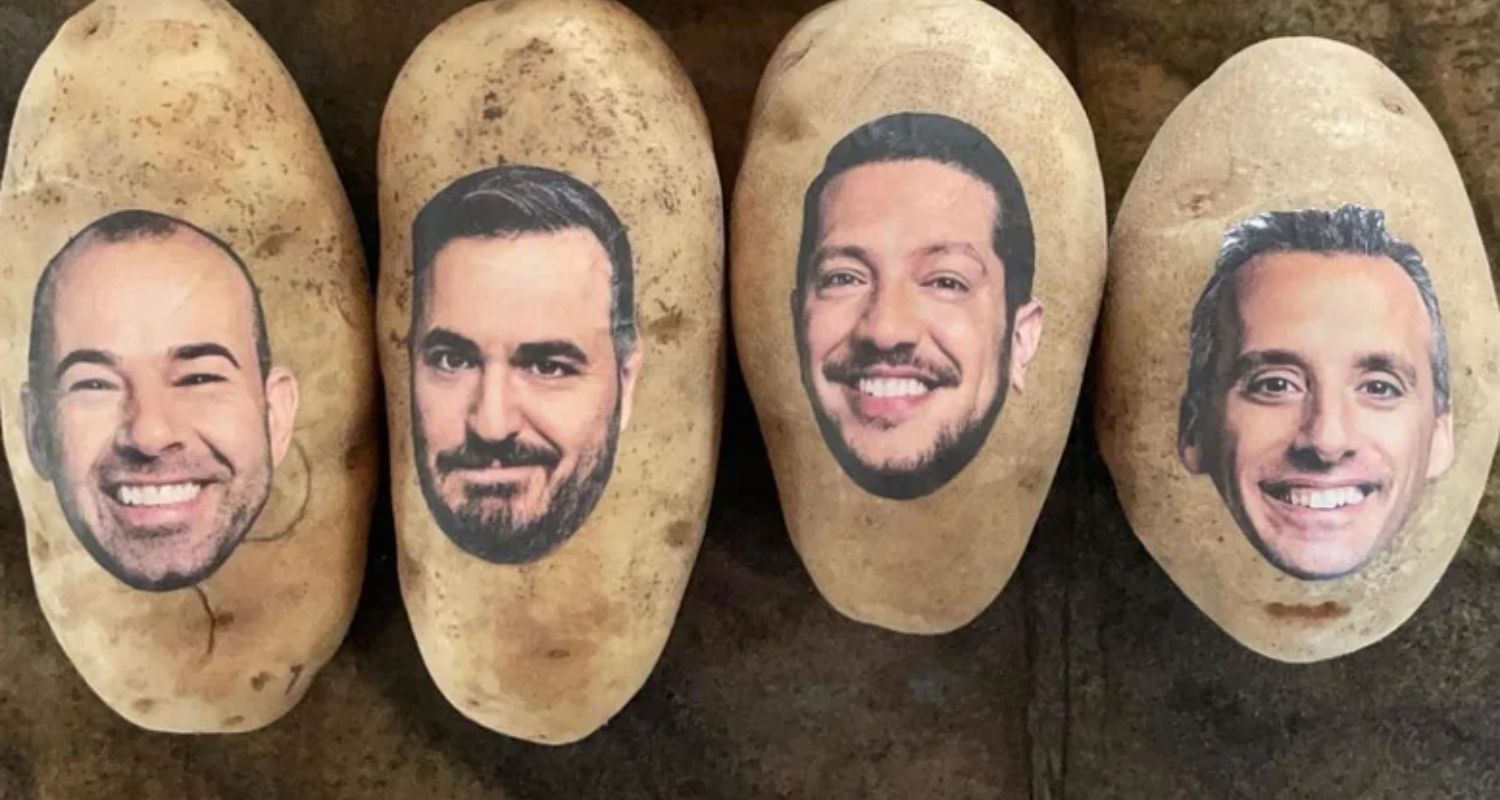
Image from The Potato Parcel’s Facebook
Potato Parcel offers a quirky service where customers can send their loved ones messages on potatoes (because traditional cards are just so last season). The concept was born in 2015 after founder Alex Craig saw a stamped potato online and decided to try it himself, eventually setting up a website. Craig and partner Riad Bekhit later pitched the concept on the well-known TV show Shark Tank. On the show, Bekhit revealed they pulled in US$10,000 monthly from about 12,000 potato messages, surprising the initially skeptical sharks.
Sending a potato message is as straightforward as ordering something online. You visit the site, pick your potato type, write a message within the 130-character limit and hit order. Options range from a basic Potato Parcel bearing a hand-written message to a full-photo Potato Postcard. Delivery is available in the US, Canada, the UK and Europe. To prevent the potatoes from going to waste, the company suggests that recipients plant the potatoes and post the planting on social media.
According to Insider Growth, Potato Parcel achieved a net worth of US$1.75 million in 2023. It has expanded its offerings to include photo messages, glitter bombs, gift bundles, potato-themed toys and more, providing an offbeat alternative to traditional messaging methods.
3. Scentra Spain

Image from Scentra Spain’s Instagram
Scentra, India’s first scented shoe brand startup, was founded by Siddharth and Karan Vij in 2014. It manufactures shoes with a pleasant fragrance, so you don’t have to constantly worry about your stinky feet during an office conference or a social gathering.
Scentra shoes’ specialty is the pair of strawberry-scented (yum!) organic cotton slip-ons, which are machine-washable and easy to fold. Scentra manufactures its shoes in Spain, and its design talent is located in New Delhi and California.
4. JoinMyWedding

Image from JoinMyWedding’s website
Bollywood’s lavish weddings have long fascinated audiences with their pomp and splendor. Now, JoinMyWedding, an enterprising Australian startup, is making waves by turning Indian wedding participation into a novel experience for international visitors. Since its inception by Orsi Parkanyi in 2016, this venture has been connecting curious travelers to Indian couples eager to open up their wedding celebrations to guests from across the globe, all for a price.
For an investment of US$150-250, tourists can immerse themselves in the full Indian wedding experience: partake in intricate ceremonies, feast on authentic cuisine, dress in traditional attire and delve into the nuances of Indian culture and language. The added thrill? Indian weddings typically stretch over several days, offering an extended cultural festivity.
So, how does one get in on the matrimonial merriment? JoinMyWedding teams up with betrothed couples who are open to sharing their love saga and wedding agenda. Enthusiastic tourists can purchase a one-day pass for US$150 or opt for a two-day experience at US$250. Upon booking, guests are matched with a designated family member who serves as their cultural ambassador, guiding them through the event and explaining the significance behind each ritual.
Moreover, JoinMyWedding isn’t just about buying a ticket to a cultural event; it’s also a crowdfunding platform for matrimony. Couples can create an online profile and invite family and friends to contribute towards their big day, thus blending tradition with a touch of modern crowdfunding savvy.
5. Spud Pickles
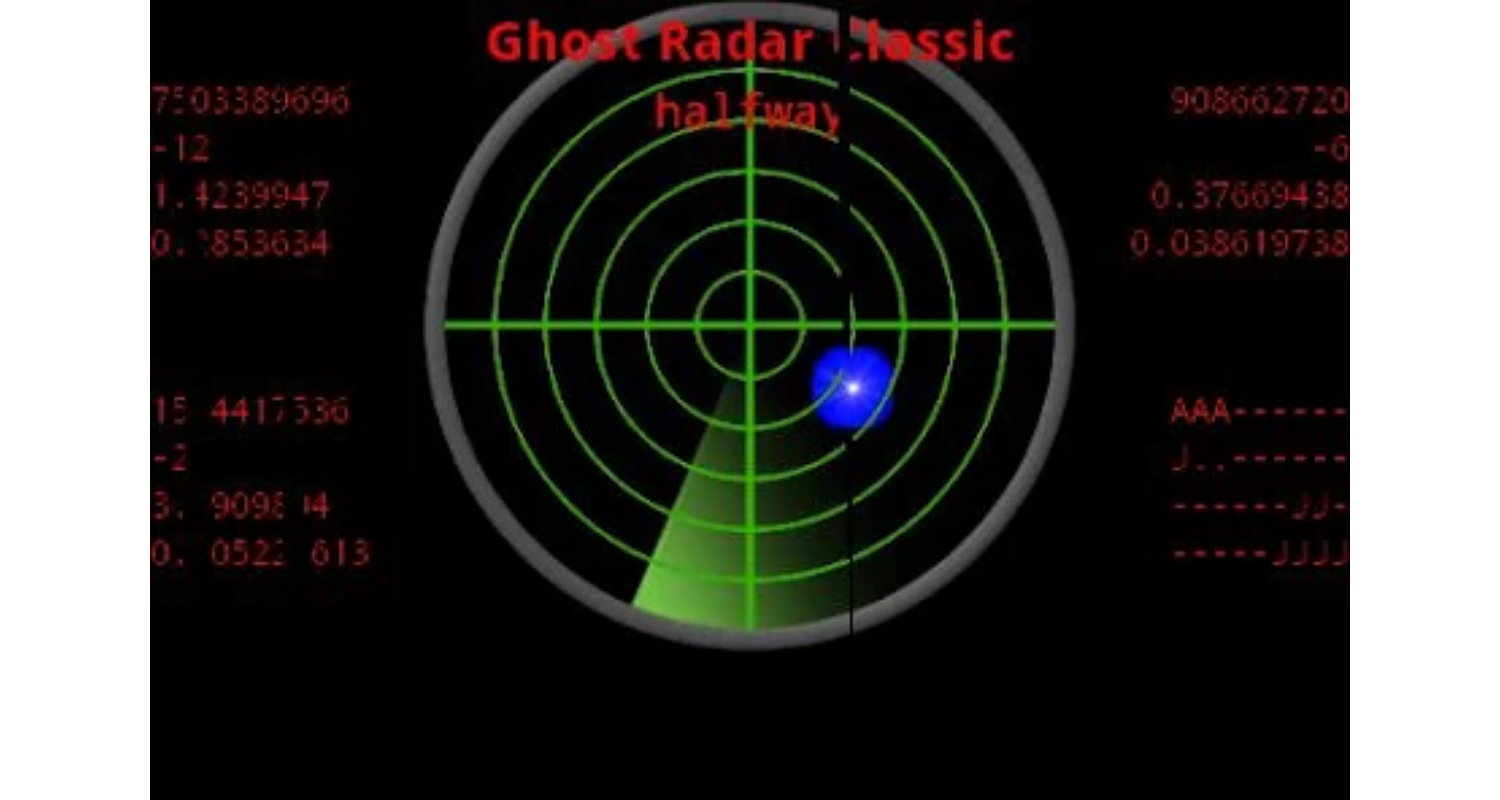
Image from Spud Pickles via Google Play
In 2008, Jack Jones founded Spud Pickles, a company that crafts applications for those fascinated by the paranormal. Its premier offering, Ghost Radar, is designed to allegedly sense and interact with “ghosts” by harnessing the capabilities of a device’s built-in sensors and radio frequencies. This unique app asserts it can track ghostly activities by analyzing quantum fluctuations, electromagnetic fields and various auditory and tactile signals.
With a distinctive feature of vocalizing detected phrases, the app entertains users with various signals—words, noises, hues and icons—that are interpreted as signs of ghostly presence and communication. Its website positions Ghost Radar as an entertainment tool, primarily for amusement and perhaps to playfully spook friends. Spud Pickles admits the app’s results shouldn’t be taken as unequivocal evidence of the paranormal.
Conclusion
The startup world is full of innovations. At times, some of them are as unconventional as they are intriguing—like the five startups above, with each having carved out a niche in unexpected ways. From an online marketplace for pre-loved wedding items to paranormal activity detection apps, these companies push the boundaries of traditional business models. They remind us that today’s oddity may well be tomorrow’s necessity in the ever-evolving startup landscape.
Also read:
- Friends to Founders: 3 Inspiring Stories of Startups Sprouting from Friendships
- Cleantech Innovations: Pioneering Startups Shaping the Future of Sustainability
- Four Biotech Startups Fueling the Healthcare Landscape
Header image from Freepik